Breath of Fresh Baked Air
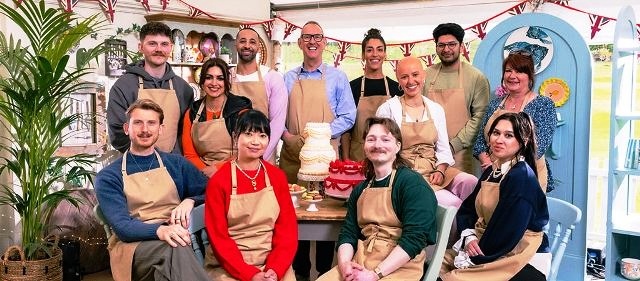 Who has not loved catching at least one season of the phenomenally successful British series The Great British Bake-Off? In the US and Canada, it is called The Great British Baking Show because Pillsbury owns the rights to the term “bake-off” in those two countries. A little more about Pillsbury and its Bake-Off appears later in this post. The series has fourteen seasons under its apron ties, so if, by some chance, you are not currently a GBBO devotee, you have numerous seasons of “bakes,” joy, gentle (and sometimes boffo) humor, and inclusive camaraderie in store. It is so refreshing and calming if you’re tired of being bludgeoned by the likes of Top Chef, Hell’s Kitchen, and Chopped.
Advice From Across the Pond
I first started watching it in the US after my daughter, a professional portrait painter and devoted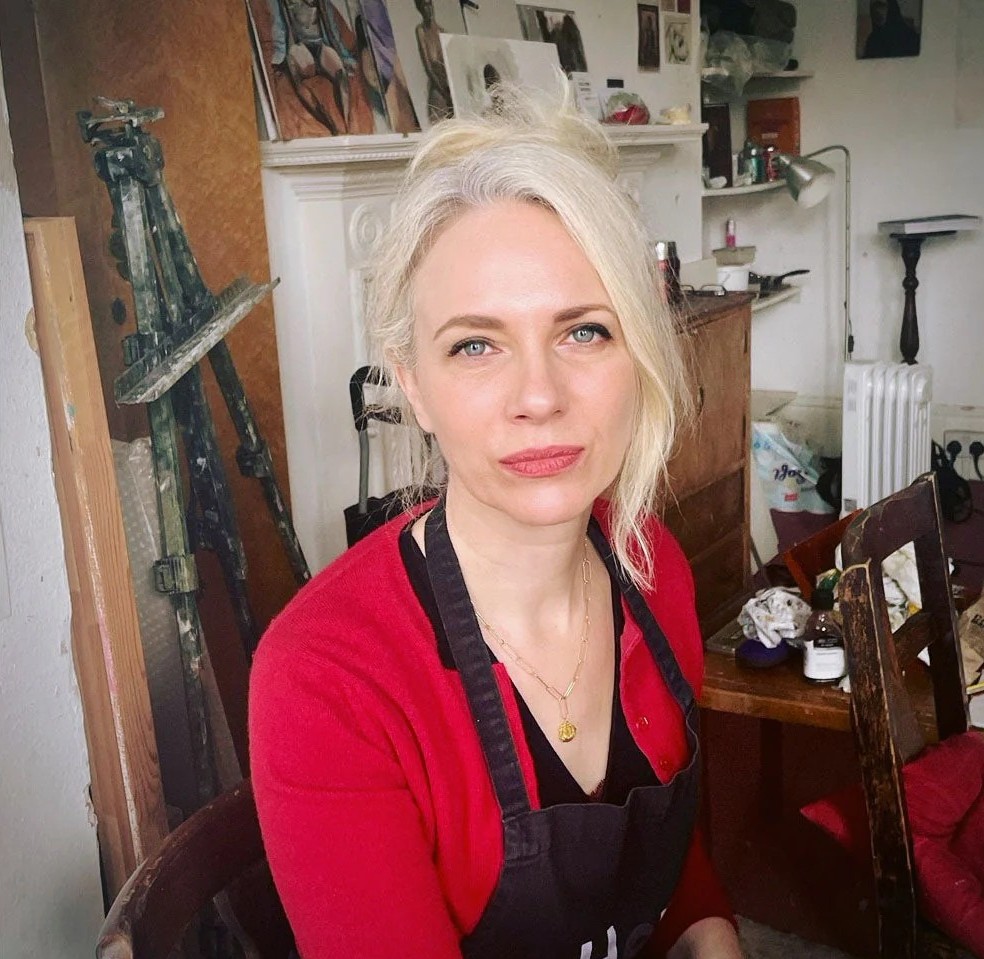 amateur baker living in England, strongly advised me to have a look. I was hooked, as so many of us are, after just one episode. I like to think that Anastasia Pollard has inherited an affection for baking from her mother. The series also alleviated the isolation of the Covid quarantine in 2020. In fact, the production was moved from its Welford Park set to the Down Hall Hotel in Essex so that the 130 people involved were in a “bio-secure” bubble for two seasons. That allowed the bakers, the crew,
 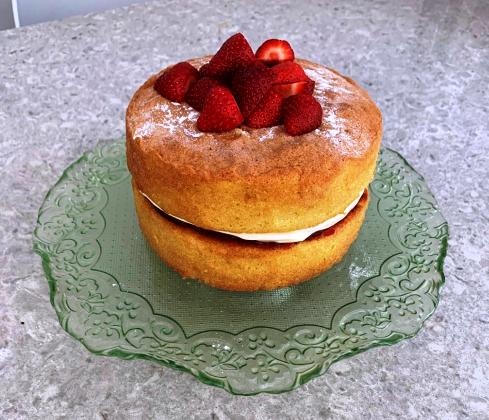 and the presenters to interact without fear of contagion. And it worked—we both watched the series, with mixers on the counter and butter in the freezer. We both improved our baking skills and traded photos during this bleak period. Even the official dessert taster in our house joined in with occasional helpful suggestions like, “You should make that.”
In the Beginning
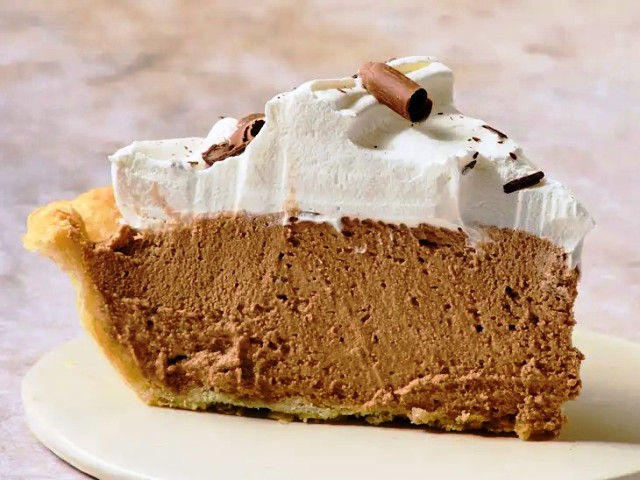
The show was the brainchild of two British TV producers, Anna Beattie and her husband Richard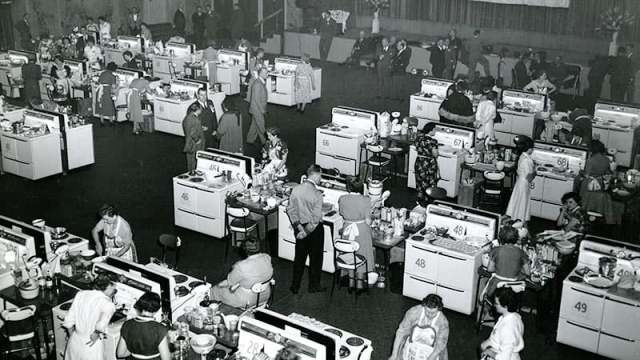 McKerrow. Beattie, in conversations with an American friend, learned about our local Bake-Offs. The most famous is the Pillsbury Bake-Off, which is now in its 75th year, with a $50,000 prize awarded biennially to the winning amateur baker, who must use at least one of the company’s products in the submitted recipe. In fact, the first successful party dessert that I made when we were first married was French Silk Chocolate Pie, a winning creation in 1951 by Betty Cooper of Kensington, Maryland.
Recipe
French Silk Pie
so mid 20th century and still yummy
Ingredients
- Crust: 1 pre-baked 9-inch pie shell
- 1 cup (227gr) unsalted butter, softened
- 1 ½ cups (300gr) granulated sugar
- 4 ounces (114gr) unsweetened chocolate, melted and cooled
- 2 teaspoons vanilla extract
- 3-4 large eggs
Instructions
- Prepare Crust: Blind-bake a 9-inch pastry shell at 350°F (175C) until golden, then cool completely.
- Cream butter and sugar together in a large bowl for 5-6 minutes with either an electric hand mixer or stand mixer until very smooth, light, and fluffy.
- Add the cooled chocolate, mixing it thoroughly and then add the vanilla extract
- The chocolate must be cool to the touch as you do not want it to melt the butter-sugar mixture.
- Add the eggs one at a time, beating for 5 minutes after each addition to create a silky, airy texture – this is a very important step to get the correct silky and fluffy texture.
- Pour the filling into the cooled crust. Refrigerate for at least 3-6 hours or until set.
- Serve: Top with whipped cream and chocolate shavings.
Notes
- EU eggs do not need to be pasteurized like American eggs as the regularions require much higher sanitation and disease prevention standards. So raw egg is not an issue here.
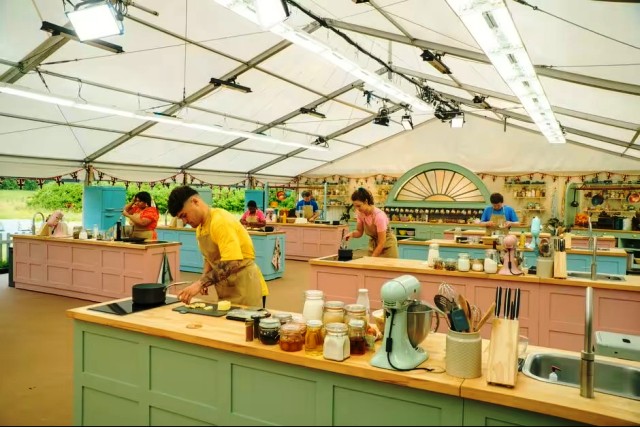 But back to Beattie’s idea of an American Bake-Off, which she had combined with a British custom: village fetes. These were always organized locally and simply included baked goods from interested citizens woven into the festivities. Victoria sponge, a cake my daughter was delighted to master, is a regular feature of English village fetes. In fact, the whole stage setting of The Great British Bake-Off is an homage to this charming English tradition. They are held outdoors in scenic garden settings, replete with bunting. Because of England’s infamous weather, tents were often set up to house tables of baked goods and crafts. Interestingly, the tent and show were moved to different urban locations during the first three seasons. You can hear the noises, see the crew and onlookers in available clips, and notice much more chaos than is visible to viewers now. It was not until 2014 that it was moved to Welford Park, which has become the calm and very British garden backdrop we now expect.
It is hard to believe, but it took Beattie and McKerrow four years of constant pitching to various studios before they found a home with the BBC. Mary Berry was the Beeb’s first choice as a judge, and the show introduced this accomplished and gracious woman to an international audience. Paul Hollywood was chosen for his prominence and vast knowledge of bread baking, and probably also for his crusty charm and looks. Mel and Sue, already a successful comedy team, were added to underscore with humor and kindness the struggles of the contestants. Personally, I don’t think their successors have necessarily improved upon the light and humane touch they brought to the show. Paul Hollywood is the only remaining member of the original cast.
But back to Beattie’s idea of an American Bake-Off, which she had combined with a British custom: village fetes. These were always organized locally and simply included baked goods from interested citizens woven into the festivities. Victoria sponge, a cake my daughter was delighted to master, is a regular feature of English village fetes. In fact, the whole stage setting of The Great British Bake-Off is an homage to this charming English tradition. They are held outdoors in scenic garden settings, replete with bunting. Because of England’s infamous weather, tents were often set up to house tables of baked goods and crafts. Interestingly, the tent and show were moved to different urban locations during the first three seasons. You can hear the noises, see the crew and onlookers in available clips, and notice much more chaos than is visible to viewers now. It was not until 2014 that it was moved to Welford Park, which has become the calm and very British garden backdrop we now expect.
It is hard to believe, but it took Beattie and McKerrow four years of constant pitching to various studios before they found a home with the BBC. Mary Berry was the Beeb’s first choice as a judge, and the show introduced this accomplished and gracious woman to an international audience. Paul Hollywood was chosen for his prominence and vast knowledge of bread baking, and probably also for his crusty charm and looks. Mel and Sue, already a successful comedy team, were added to underscore with humor and kindness the struggles of the contestants. Personally, I don’t think their successors have necessarily improved upon the light and humane touch they brought to the show. Paul Hollywood is the only remaining member of the original cast.
I started watching GBBO on PBS and fell in love with it though I’ve found it harder to keep up with it on Netflix. I also have several of their cookbooks and I love making the more English style desserts, which I think I prefer to most American ones….except brownies. That episode was embarrassing. 🙂
Jennifer,
So funny that you mentioned that the Brownie episode of GBBO was embarrassing as i remember sort of snickering through it. And there was an abysmal failure in the Italian Bake Off as well on the subject of recreating the American Brownie!