Read Time: 4 Minutes Subscribe & Share
The Forlorn Hope Month
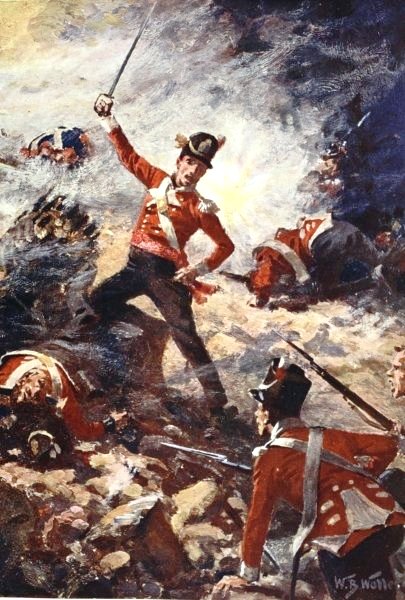 March will always be the month of Forlorn Hope for me (a phrase I loved from reading numerous Sharpe novels by Bernard Cornwell). It succeeds the JanFebs, the downer season after we have celebrated Christmas and New Years. The JanFebs is always accompanied by colds and helpful recipes for comfort foods. March is trickier, even in Bologna – although in Alexandria, I remember some sneaky balmy days, with early spring shoots popping up on my walks, bracketed by a couple of Arctic blasts followed by rain or sleet. Here, we get lots of rain, and numerous cloudy and windy days. I always check the passing crowds to see if I still need to wear a scarf and hat to avoid the critical looks from fellow Italians – but they are probably right, my colds have been minimized since I wear them both religiously.The lecture from my son-in-law about exposing one’s forehead to inclement weather is still ringing in my ears.
A Stew Gets You Through
 So it is still soup and stew weather, and since KD offers a really good recipe for Boeuf Bourguignon and lately Veal Marengo, here is my offering for March – it is from Belgium and appears in Dutch, French, and Swiss cookbooks as well. Carbonnade Flamande is a beef dish (and sometimes pork) that freezes well, and can be cooked a day ahead before serving some to cheer up a group of cold and depressed friends.
Carbonnade (meaning it originally was cooked over the coals in the room that a family hovered in for warmth and a meal) uses beer instead of wine. It also has mustard, dark sugar and even vinegar. Treat yourself with a cut from a chuck roast, which is from the shoulder and is considered the gold standard for stews. I found that pieces should be cut around 2 inches thick. I tried smaller pieces and they shrink so much they end up looking measly on the plate, plus they actually taste tougher and don’t have a succulent interior.
 Here in Bologna, I am very slowly and hesitantly learning cuts of beef (I certainly have made plenty of mistakes in my requests!) but contrary to the US, there is the term manzo and bovino when one is ordering beef. Manzo usually means a castrated male between the age of two to four years, but it can also be used for a female that has not calved yet. The meat is darker, richer, more textured. Bovino, as far as I can understand, is the classification of all cattle. So you will see bovino vitello or bovino scottona which are, respectively, a bovine male (8 months or younger) and a female bovine (15-24 months) which has not calved.
Options and Hints
It is important to salt your meat pieces before dredging them in flour. Do this a good 30 to 60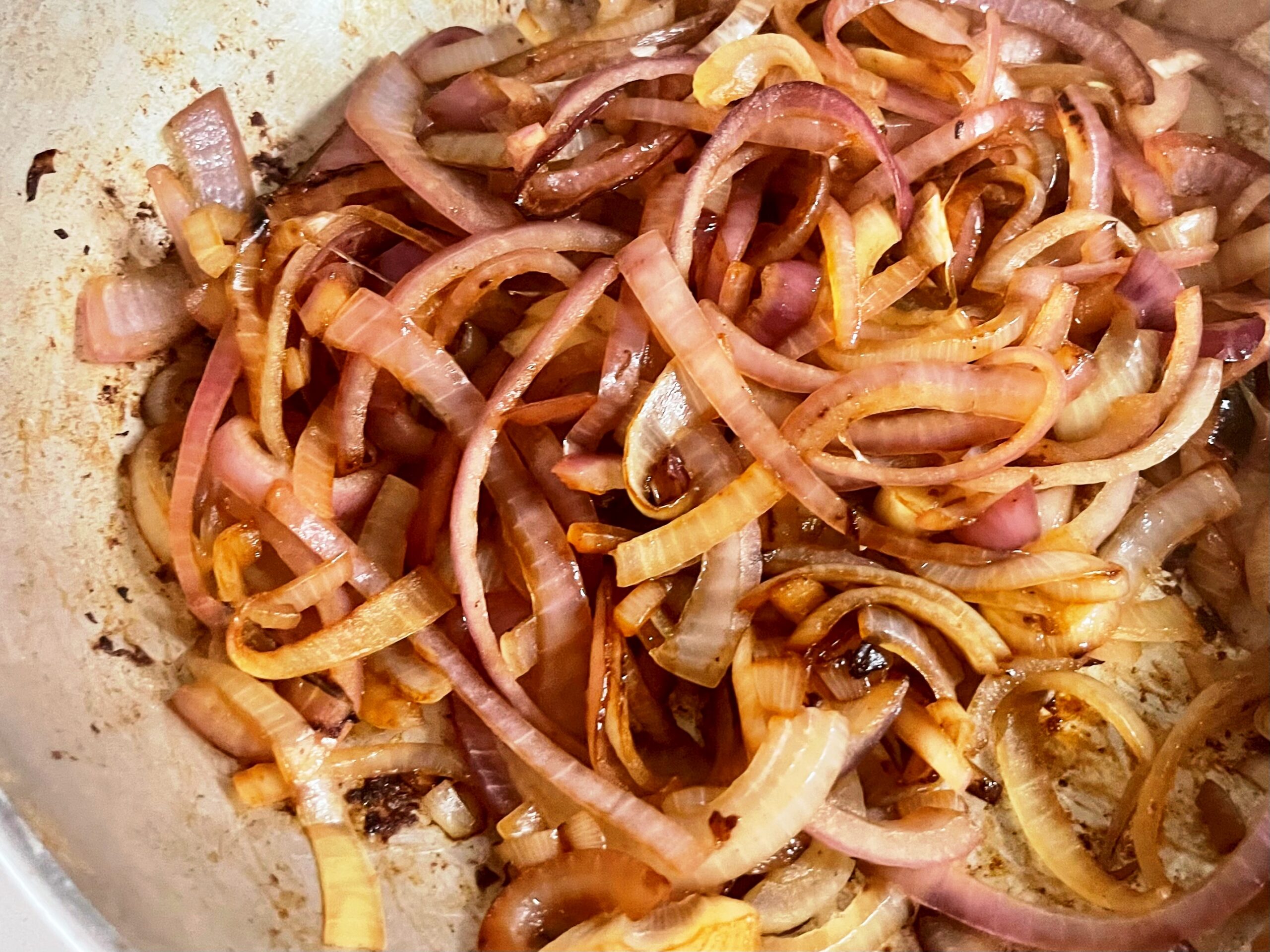 minutes before tossing them in the flour. It helps dry the meat, makes for a better caramelization of the exterior and juicier pieces when you initially saute them. Butter is normally used to sauté both the meat and onions. On the other hand, you can use pancetta, or the French equivalent, cut into small strips and rendered before sautéing the meat and sweating the onions . In that case, little or no butter is needed.
If you can find something similar to the northern French pain d’epices (it is not gingerbread), that is the traditional addition to act as a flavorful thickener to this particular stew. Rye bread or another dark bread slathered with the mustard and honey works well.This last time I made it, I did not have a dark beer, considered to be de rigeur for a proper carbonnade, and I discovered that I could add a bit of treacle to a light beer I had on hand (stir thoroughly) and it works….for this recipe, though, probably not an answer for St. Patrick’s Day quaffing.
There is a niggling controversy over which sugar is better for this stew – cassonnade or vergeoise. Vergeoise is a beet sugar to which a dark syrup has been added. Its crystal is very smooth and blends easily into sauces. Cassonade is really like our light or dark Muscovado cane sugars and it is a bit harder to dissolve in sauces and batters.
This is a good time to pull out that jar of grainy Dijon mustard and a good red wine vinegar. Both add a unique depth of flavor to the sauce this stew produces. French fries are the traditional starch accessory, but I don’t think you can beat mashed potatoes or even a flat pasta…but I am not allowed to serve the latter with it in Italy. It’s just not done, kind of like exposing one’s forehead in winter.

- 1.5 kg 3 1/3lb stewing beef, cut into 2 inch pieces
- 2-4 onions depending on size (I prefer red ones for this dish)- enough for 2-3 cups, roughly
- 2-3 peeled garlic cloves, germed and sliced
- 2-3 tablespoons brown sugar (see note in text)
- 40gr 3-4 tbs butter or 2 strips of pancetta cut into lardons
- enough flour to dredge your beef pieces.
- 1 75cl bottle dark beer (or light beer with a tablespoon of treacle added and mixed thoroughly)
- 2-4 cups of beef stock (or water)
- 2-3 tablespoons red wine vinegar
- Bouquet garni (celery stalk with leaves, parsley stems, bay leaf, rosemary branch or sage branch tied together
- fine sea salt and freshly ground pepper
- 3 tablespoons mustard - grainy mustard is preferable
- 2-4 slices (2 if large sandwich size loaf) of light rye bread spread with some honey and the above mustard
- Season the beef pieces with salt and pepper and allow to rest for at least 30 minutes
- Dredge them in flour while you heat a large dutch oven or saute pan with some butter and vegetable oil or render the lardons until they are golden.
- Saute the beef in batches so that they brown nicely, and set aside on a plate.
- Add a bit more butter and lightly saute the onions and then add the sugar and cook over medium low heat until they are lightly caramelized. Add the garlic and allow it to soften.
- Add the vinegar - it should reduce a bit before the beef is added back in.
- Add the beef pieces and juice back in and stir together.
- Add the beer and stock if necessary to submerge the beef.
- Add the bread slices (I cut mine into quarters) which have been spread with mustard and honey (unless you find real pain d'epice)
- Cook covered on top of stove or in the oven at 350F - personally I prefer the stovetop method.
- You will have to stir occasionally to keep ingredients from sticking to the bottom.
- The meat should be tender in about 90 minutes and the bread will be absorbed into the liquid, creating an unctuous sauce.
By submitting this form, you are consenting to receive marketing emails from: Kitchen Detail, Via de'Falegnami 5, Bologna, 40121, http://www.lacuisineus.com. You can revoke your consent to receive emails at any time by using the SafeUnsubscribe® link, found at the bottom of every email. Emails are serviced by Constant Contact
Kitchen Detail shares under the radar recipes, explores the art of cooking, the stories behind food, and the tools that bring it all together, while uncovering the social, political, and environmental truths that shape our culinary world.