
Bittersweet
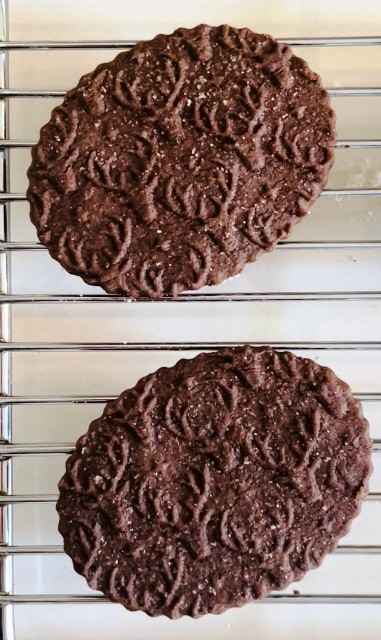 The chocolate cake featured in the last post -which has become my most-requested birthday cake -uses cocoa powder—only cocoa powder—for both the batter and the frosting. Ditto my favorite chocolate cookie recipes, one from Alexandra Stafford and the other from Charlene Sinkin that carry the day with a top quality cocoa powder. Chocolate chip cookies are another matter. No melted chocolate, no blocks to chop. That simplicity prompted a good question from a reader:
Why use Dutch-process cocoa instead of natural (undutched)?
And I must admit – I had to go rummaging around the back of my gelato soaked brain for whatever shred of cocoa knowledge survived the shop years. We carried both Valrhona and Cacao Barry cocoa powders, and we paid attention to the differences. Valrhona boasts about 21% cocoa butter, while Cacao Barry’s Extra Brute clocked in closer to 24%. On the palate, that mattered. Extra Brute was spicier, more assertive; Valrhona leaned toward a darker, more direct chocolate hit.
What we didn’t carry was natural (undutched) cocoa. My only baking experience with it was the classic Hershey’s version, which always struck me as chalky and didn’t bring much to the party. And actually, I was disappointed in Droste as a dutched cocoa – it did not pack much of a punch in raw desserts or drinks or baked cakes and cookies. Those are the two that appear in most grocery stores. For a superior Dutch dutched cocoa, I think Bensdorp is a better choice, particularly for desserts with a liquid component like tiramisu.
Upping The Game
To understand why Dutch-process cocoa exists at all, you have to go back a few centuries. 18th-century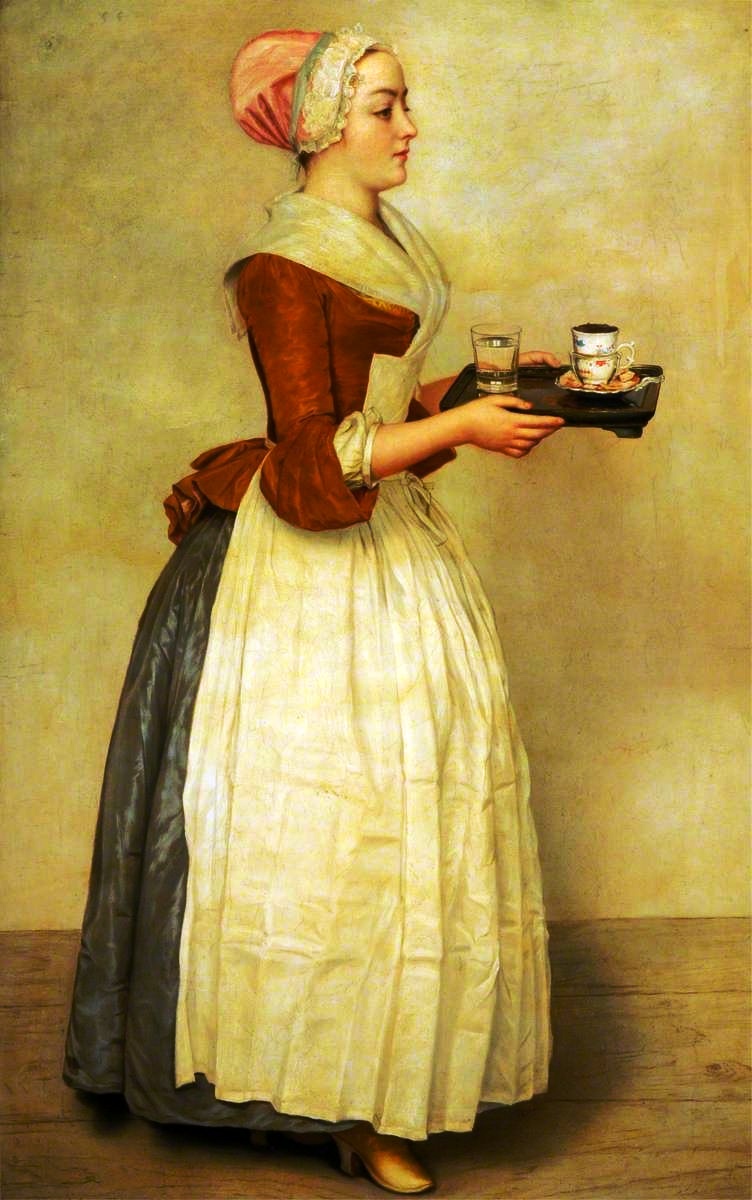 paintings and novels depict aristocrats sipping hot chocolate from those beautifully designed porcelain services designed to catch sediment. Despite the ornate accessories, they weren’t enjoying anything remotely smooth. The ground, fermented and roasted cocoa beans were mixed hastily with hot water. Cocoa butter doesn’t dissolve in water, so the result was greasy, gritty, and stubbornly unmixed. Still, chocolate was so seductive—and such a status symbol—that aristocrats and a wealthy mercantile class powered through.
Enter Coenraad Johannes Van Houten. In 1828, the Dutch chemist patented a method to press much of the cocoa butter out of roasted cocoa beans. He then treated the remaining cocoa solids with an alkaline substance, making the powder more soluble in liquid and far less acidic. This process—what we now call Dutching—also darkened the cocoa and mellowed its astringent bite. The company he founded still produces cocoa powder.
That alkalizing step matters in baking. Natural cocoa’s high acidity means it reacts readily with baking soda and thus your baked product gets a strong lift. Some bakers insist that this acidity also contributes brighter, fruitier notes in cakes and cookies. Dutch-process cocoa, being neutralized, generally works better with baking powder, which brings its own acid to the party.
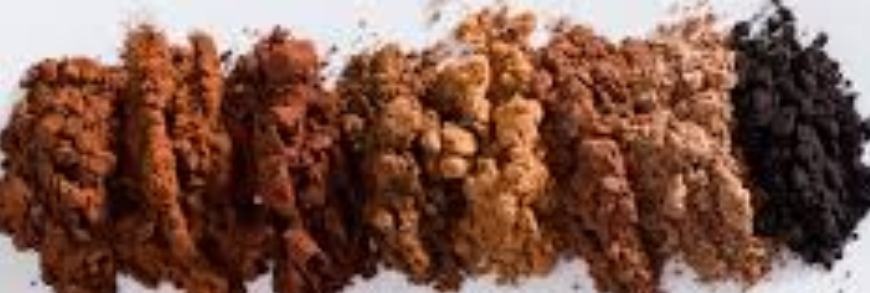
Cocoa butter content varies widely across both types, roughly from 10% to 24%. Natural cocoa powders usually fall on the lower end—around 10–12%—while Dutch-process versions are typically above 20%. That extra cocoa butter contributes to mouthfeel, flavor persistence, and overall richness. It’s one reason a good Dutch-process cocoa feels rounder and more luxurious in a finished cake.
But cocoa butter isn’t the whole story. Bean origin, blending, fermentation, roasting, and alkalization all shape flavor and color. Natural cocoa powders are lighter in color; Dutching darkens cocoa and alters flavor depending on how aggressively it’s treated. Potassium carbonate—the most common alkali—can produce a wide range of hues and taste profiles depending on dose and technique.
A Mellow Dark Underlord
Which brings us to black cocoa, the most mythologized of all. Food forums treat it like some sort of forbidden chocolate relic. Black cocoa is heavily alkalized—often using sodium hydroxide—and roasted differently. It is very dark, almost inky. If you bake with it, you must use baking powder; baking soda won’t work here as the acid level is too low.
And despite appearances, black cocoa is not more intensely chocolatey. In fact, its cocoa butter content is so low that much of the bold chocolate character disappears. What’s left is mellow, slightly bitter, and oddly restrained. This is the cocoa used for Oreo and Hydrox cookies – probably why it’s so easy to binge on a box of either. The color convinces people they’re getting maximum chocolate, but it’s mostly theater. Which is not to say it doesn’t have its place – it makes a great natural dark coloring agent in macarons, for example. Just don’t confuse darkness with depth of flavor.
Cocoa Everyday
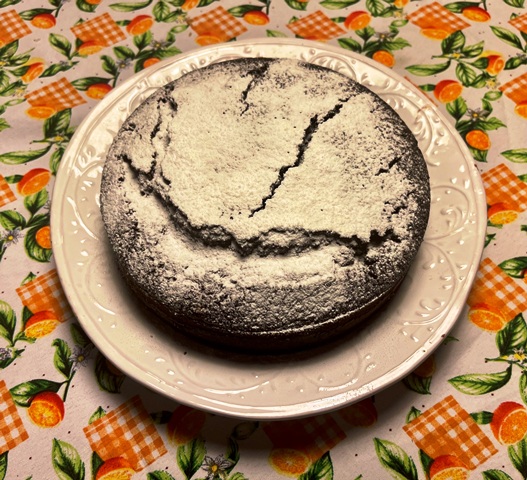 I’m including yet another cocoa based cake – in fact it’s the one that started all of this. Great for picnics, snacking and a base for whipped cream with berries or sprinkles, it’s a beloved Gourmet Magazine recipe from over twenty years ago, and also resides on the Epicurious website (they don’t have all my favorite Gourmet recipes but it’s the best port in a storm.) No buttermilk or sour cream is used, rather just water. I mix 2/3 cup water and 2/3 cup coffee – and the acid in the coffee helps with the lift. This is a flexible, forgiving formula that works beautifully with most cocoa powders, as long as you understand what you’re working with. Chocolate, after all, rewards attention.
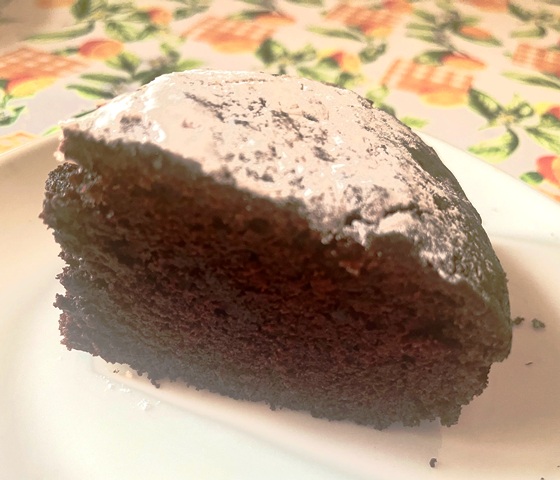
Recipe
Everday Cocoa Powder Cake
Ingredients
- 2 cups (250 g) all-purpose flourn¾ cup (63 g) unsweetened cocoa powder, plus more for pan
- 1¼ teaspoon baking sodan¾ teaspoon fine sea salt
- 3/4 cup (170gr) unsalted butter, softened
- 1¾ cups (275 g; packed) light brown sugar – I use light Muscovado
- 2 large eggs, room temperature
- 1 tsp. vanilla extract
- 1 and 1/3 cups water – I use 2/3 cup coffee and 2/3 cup water
- Powdered sugar for dusting
- Sweetened Whipped Cream and berries for serving (optional)
Instructions
- Do Ahead: Cake can be baked 4 days ahead. Store well wrapped in plastic wrap at room temperature or freeze for 1 month.nPlace rack in center of oven; preheat oven to 350°F.(175C) Butter a 9u0022 (23cm) round cake pan with at least 2u0022-tall sides and dust with cocoa powder. Knock out excess.nWhisk the flour, unsweetened cocoa powder, baking soda, and salt in a medium bowl to combine,nBeat the softened butter and the light brown sugar in a large bowl with an electric mixer on medium speed (either a stand mixer with a paddle attachment or a hand mixer with beaters) until pale and fluffy.nAdd 2 large eggs, room temperature, one at a time, beating well after each addition, then beat in vanilla extract.nAdd roughly one third of the flour mixture to mixing bowl with wet ingredients and beat until just a few dry streaks remain.nAdd ⅔ cup water and beat until fully incorporated.nAdd half the remaining dry ingredients and repeat, then add another ⅔ cup water, repeat, and finish by adding the last of the dry ingredients, folding in the last of them with a rubber scraper until just combined.nPour cake batter into prepared pan and bake until top springs back when lightly pressed and a toothpick or other tester inserted in center comes out clean, 50 minutes–1 hour.nCool in pan 1 hour.nInvert onto a wire rack, then turn right side up and dust with powdered sugar.nServe with Sweetened Whipped Cream and berries (if using).
Notes
- I use a 3u0022 high springform.nThis cake is even better the next day. The instructions for cooling for about an hour really will allow the dense chocolate flavor and texture to shine.

There is little need to criticize Droste cocoa these days. It is actually very difficult to find now, and may be going out of business. https://www.dutchnews.nl/2025/02/droste-chocolate-maker-faces-the-end-after-162-years/
Hello Douglas,
Thanks for the update. I have been reading about it here too. I at first thought it the Belgian takeover collapse was due to assumed debt from the merger, but the company was previously deeply in debt. There were only 37 employees left. Covid and the rising cost of cocoa beans for their price point also contributed to their demise.