Read Time: 4 Minutes Subscribe & Share
Peace Time Reflection
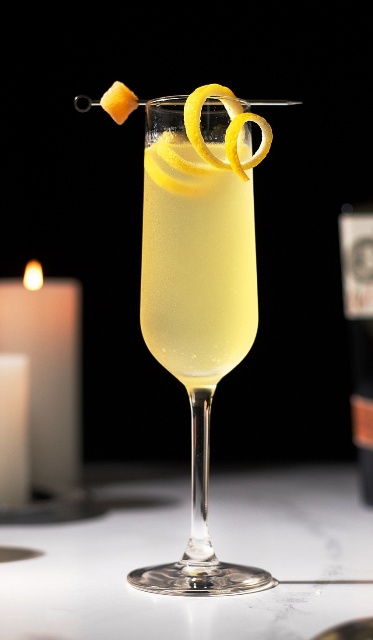 Not many dishes are named after battles. We dine on, after all, Beef Wellington, not Beef Waterloo. And then there is the cocktail French 75, named after a 75-millimeter French gun that “ packed a punch,” introduced in the calamitously indecisive First World War. It does seem unjust that military warfare, which helped initiate things like margarine, M&M candy, instant coffee, and – perhaps best to forget – Spam and Cheetos, doesn’t get commemorative dishes for memorable conflicts.
Enter Veal Marengo. This easy to achieve and luscious stew perhaps owes its origins to a camp chef at a very important battle for Napoleon Bonaparte. In 1800, the Austro-Hungarian Empire was at its war-mongering best. It had successfully become one of the largest empires in Europe, with a huge population to feed into its army. As an empire, it was decidedly against any unification of Italian-speaking territories, particularly on its southern border. It was also antagonistic to this encroaching French upstart who was busily using his military prowess to finish a coup in his own country.
A Stew Is Born
What unfolded was a French Army racing to cut off the logistics supply of the much larger Austro–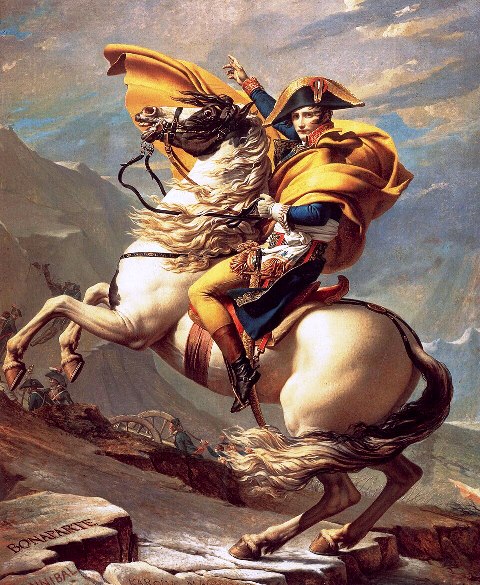 Hungarian army in the Piedmont region of Italy. Even though Napoleon had brought his troops over the Alps in a daring maneuver, he had been duped by a double agent and the opposing forces were in a winning position. Napoleon, in what he later publicized as a “strategic retreat” near the farm village of Marengo, was saved by the successful onslaughts of his ancillary troops. He returned to France with a treaty removing the Austrians from domination in Italy, and used the battle of Marengo as a publicity campaign to portray himself as a savior of France.
The history and myths behind the dish are almost as complex as the legend of the Marengo battle. The chef for either Napoleon or Kellerman (an invaluable French military tactician) had his kitchen destroyed in the battle and was tasked with creating a post-victory dinner for the then French Consul (later to crown himself Emperor of France). He had to make do with ingredients found in the northern Italian countryside – chickens, tomatoes, garlic, olive oil. He improvised a stew. Other versions have the recipe evolving in Paris restaurants to celebrate the very hyped victory, while Napoleon was consolidating his power. Veal was introduced as it was considered a “nobler” meat than chicken. Other garnishes include crayfish and even fried eggs. The first recipe was published in 1809 by Guignet Dunand – the chef for Napoleon after the Battle of Marengo.
Vintage Sources
 But it’s a great winter dish and my version is a mash up of the version that was served in The Four Seasons Restaurant under Swiss chef Albert Stockli and found in The Four Seasons Cookbook published in 1971, along with some input from a very unlikely source – The Alice B. Toklas Cookbook (she is better known for her recipe for “Hash-Hish Fudge”). Mimi Sheraton also adapted her recipe in the New York Times. Veal Marengo was almost as popular as Boeuf Bourgignon in the 1970s, and while the Burgundian stew has remained on restaurant radar screens, Veal Marengo has dropped off, and I am guessing it’s because earlier veal-raising methods were widely condemned. Fortunately, methods have changed. Veal Marengo is just delicious and lots less work than Boeuf Bourgignon.
You want to get stewing veal, from the shoulder, neck or exterior leg muscles.This is not a dish for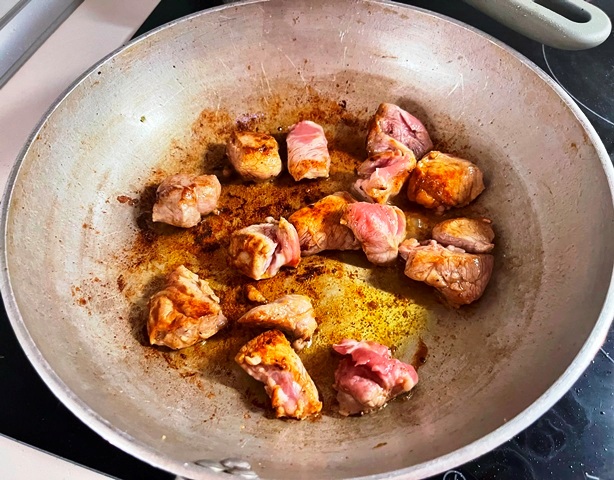 prime veal cuts. Classic button mushrooms work best for this dish. Use San Marzano or other meaty dry tomatoes. The ones called “Principe” in Italy are a marvelous choice, and I have seen similar ones in markets in Virginia. I prefer using just shallots rather than small white onions and you can use chicken stock instead of veal stock. The number one caveat is that you should brown your veal pieces in batches (see photo) so that they are separate from each other. You want browned, not steamed veal pieces. Once the veal is browned, shallots (or onions) and mushrooms are also sauteed separately. In combining ingredients for Veal Marengo, I add the shallots first and then add the mushrooms, and the whole stew is done in under an hour. It’s a top of the stove dish, not cooked in the oven. The veal just needs to be fork tender. It’s great to reheat the next day and even freezes passably well.
And a note about serving: I have tried potatoes, which are a stew side dish standard, but they should not be added to the stew. The best is your version of mashed potatoes. Noodles are served along side in France, but this would be heresy in Italy. Toasted or grilled bread is also suggested. Carnaroli rice, however, simply simmered, equal parts rice and salted water with a knob of butter is excellent.
- 3.5-4lbs (1 1/2- 1 3/4kg) stewing veal, cut from shoulder or leg
- Olive oil as needed for sauteeing meat, shallots, mushrooms
- 1/2 to 3/4lb (226-340gr) white button mushrooms
- 16 -18 shallots or small white onions. If the shallots are big, cut them in half (in that case you would need only 10)
- 4 tbs unsalted butter
- 2-3 tbs white all purpose flour
- 2 cloves garlic, peeled, germ removed, minced
- 2 large or 4 small shallots peeled and minced if you are using white onions instead of shallots above
- 1 1/2 cups (355ml) dry white wine
- 1 1/2 cups (355ml) veal or chicken stock
- 4 big sprigs of parsley 2 of thyme and large bay leaf, tied together
- 3 large oblong tomatoes - these should be cross hatched at the stem end, dipped in boiling water and then peel off the skin and cut into 1/4 inch slices.
- Either trim and cut yourself or have the butcher cut the veal in 1 1/2 inch pieces.
- Dry the veal and salt and pepper the veal pieces generously.
- In a saute pan or wide stewpan, over medium high heat, add a good film of olive oil.
- When the oil just reaches the smoking point, start adding the veal pieces so they are separated and can brown - you will have to do this in batches.
- Set aside the browned veal and add more oil to the pan.
- Add the mushrooms and saute them only until they lose their white color, and a bit of their moisture is released - then set them aside on a plate.
- Next saute your onions or shallots until they are slightly gold in color - you may have to add a bit more olive oil.
- You should have (you may have to add) about 4 tablespoons of oil in the pan, and you will add the veal back in.
- Sprinkle the veal with the flour, and stir to slightly brown the flour with the veal.
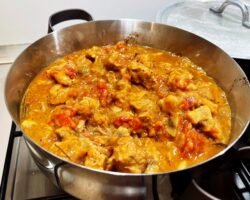
- Now add back the , shallots (or onionsj), stock, wine, tomatoes and herb bundle - then add the mushrooms after a few minutes.
- The stew should take about 40 minutes to cook to the point where the meat is fork tender.
- Remove the herbs, garnish with minced parsley if you wish and toasted bread.
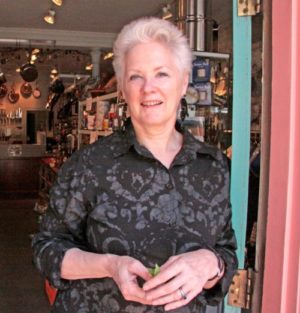
Kitchen Detail shares under the radar recipes, explores the art of cooking, the stories behind food, and the tools that bring it all together, while uncovering the social, political, and environmental truths that shape our culinary world.



Veal Marengo is a mainstay for us. We use the recipe from The Flavors of France cookbook. At the risk of seeming heretical, I have used turkey tenderloin when I couldn’t find veal or if the veal was so expensive I needed a second mortgage. It was tasty but less tender than veal.
Janet,
I now can hardly wait until I unpack my copy of The Flavors Of France, from which I have made so many wonderful dishes, but I never once checked it for Veal Marengo. Veal here is not inexpensive, but not extortionate the way it is in the US. Just tried turkey breast here for the first time and it was marvelous! So I may try it as you suggest for Tacchino Marengo!
I’m still not eating veal but would love to try this with chicken, which sounds like its original form.
Jennifer,
Yes, you are right, the veal substitution came later to make the stew more “royal”. In Italy, it is made most often with chicken still. Let me know how you like it with chicken!