School Lunch Disasters
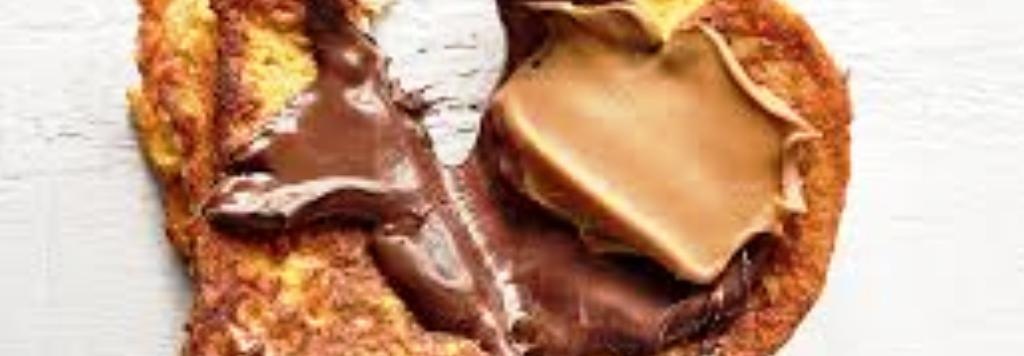
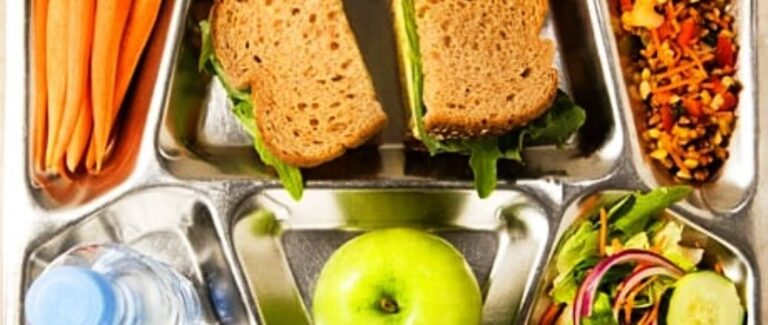
Realizing that this is probably a wave of heresy hitting both shores of the pond, but I am not a fan of peanut butter or Nutella. I certainly had a childhood bred on peanut butter, perhaps too much…my older brother’s favorite school lunch, which my mother dutifully made, was three peanut butter, margarine and orange marmalade sandwiches. My love was salami sandwiches (mayo and lettuce, please). Moreover, in Gordon Junior High, it was a social taboo to carry a colorful lunchbox instead of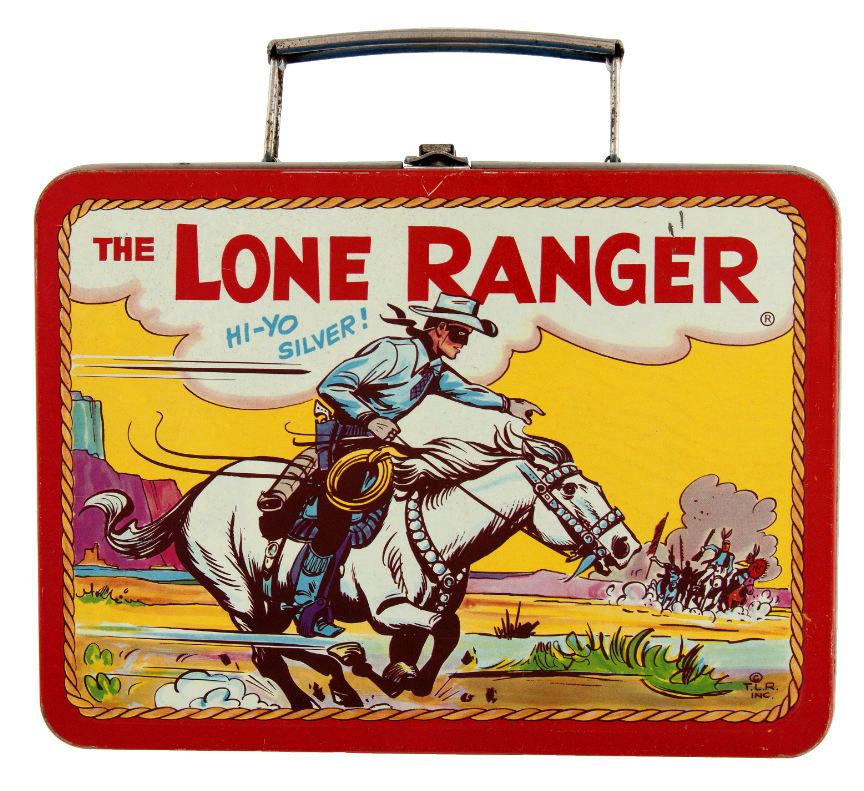 an anonymous brown paper bag. Occasionally we would both grab the wrong bag and he would get my salami sandwich (0nly one) and I would be the unhappy recipient of three of his PB&M sandwiches. No one at any neighboring lunch table would trade with me.
But I recently picked up a jar of Jif peanut butter at my local Conad – so that the American nonno could make his singular but divisive peanut butter, banana and mayonnaise sandwiches for his English and Italian grandsons. This is a sandwich that has always made me leave the room. Nevertheless, I’m always taste-curious (except about bananas, my one long-time aversion) so took a nibble of the transplanted Jif…and it was different from what I remember. I later decided, with much encouragement from my grandsons, to try Nutella…and it, too, was different in taste and texture.
In Name Only
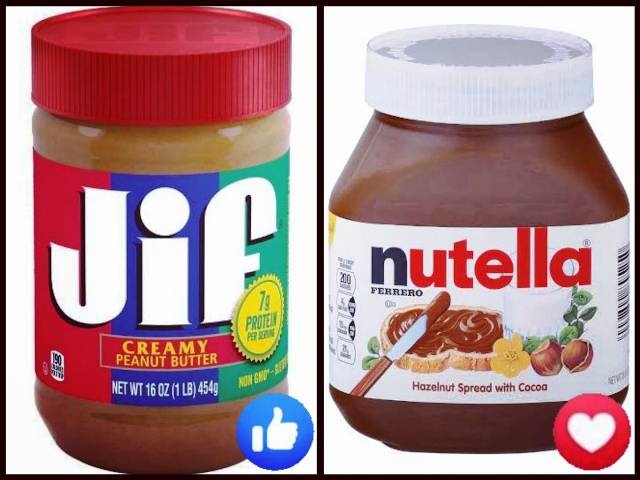 Companies on both sides of the pond, I found out, change the formulations of foods for export into the US and the EU. My husband’s beloved Jif is a perfect example. When I opened the jar in Bologna, there was a slick of oil on top that had to be mixed back in, and it tasted more peanutty in the savory sense.
Hydrogenated oils are severely restricted in the EU. This is the handy chemical miracle derived both from soybean and rapeseed extractions that keeps our US peanut butter smooth and easily spreadable, with no oil separation. In case you ever wondered what monoglycerides do – they prevent separation so that anytime you open that jar, you are rewarded with an instantly spreadable whatever. Also, peanut butter manufacturers in the US roast peanuts longer, giving a much toastier flavor. And we in the US like our tastes sweeter, so there is a lot more sugar in our domestic Jif or Skippy. Over here, there’s a higher percentage of more mildly roasted peanuts, much less sugar, and little or no hydrogenated oils (meaning trans fats) in the EU versions of American peanut butter.
Now, when you pick up a jar of Nutella in the US, it will not have hydrogenated oils substituted for the palm oil that Ferraro proudly uses to produce this spreadable Italian addiction. There’s just more of it. You should be aware that while palm oil is not bad for your body, it is a massive cause of deforestation in the countries where it is harvested. The mammoth plantation system that is in place also hosts significant human rights abuses and biodiversity losses. Palm oil is increased in the spread that is manufactured for US consumption, as is the amount of sugar. Conversely, the cocoa used is less and of lower quality and percentage, and the amount of hazelnuts is smaller in the US version as well.
Behind The Rules
Some of the differences in taste formulations are undergirded by differences in how the EU and the US set up food regulations. First, the underlying ethos is different in the EU. While Italians and French will be the first to tell you that they love to eat (here you can have an antipasto, a pasta course, then a second meat or poultry or fish course and then dessert), portions are smaller, an all-you-can-eat-buffet where you are in charge of loading your plate is rare, and probably where you do see it, it is for tourists of the British and American variety. Even though gelaterie abound (there are five within a 4-minute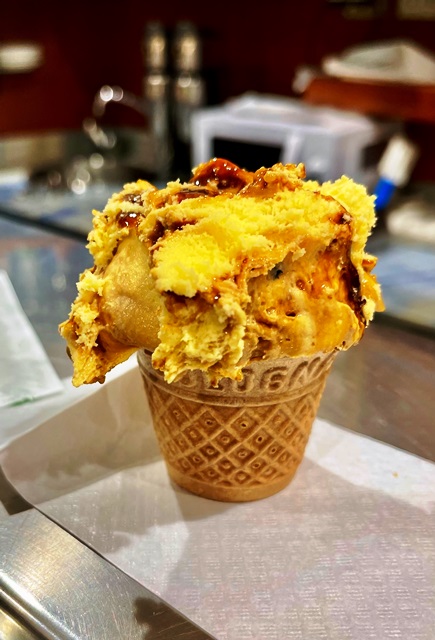 walk from my apartment) and pastry shops displaying rows of seductive sweets, sugar levels are again much lower here than in the US. And while pizza is regarded as the principal gift of Italy to the world, Italians eat a lot more vegetables than we do, and fruit is most often served after most home meals. In the US, however, we are the reigning champion of highly processed foods and beverages.Various studies reveal the percentage of processed food consumption to be between a shocking 60 to 90%!
Second, the guiding principle in food regulation by US agencies differs from that of the EU. In the EU, it is precautionary – that is if a food product or additive’s safety is scientifically uncertain, it is banned. Whereas in the US, we use the much loved by food corporations GRAS principle -Generally Recognized As Safe. Believe it or not, GRAS was actually established by our FDA and allows food manufacturers to determine food additive safety without approval from the FDA. For example, we allow Potassium Bromate, BHA, (salicylic acid) and Yellow Food Dye #5 which are banned in the EU. Third, GMO-derived products are strictly labelled in the EU, whereas we are much more permissive about their unlabeled use in the US.
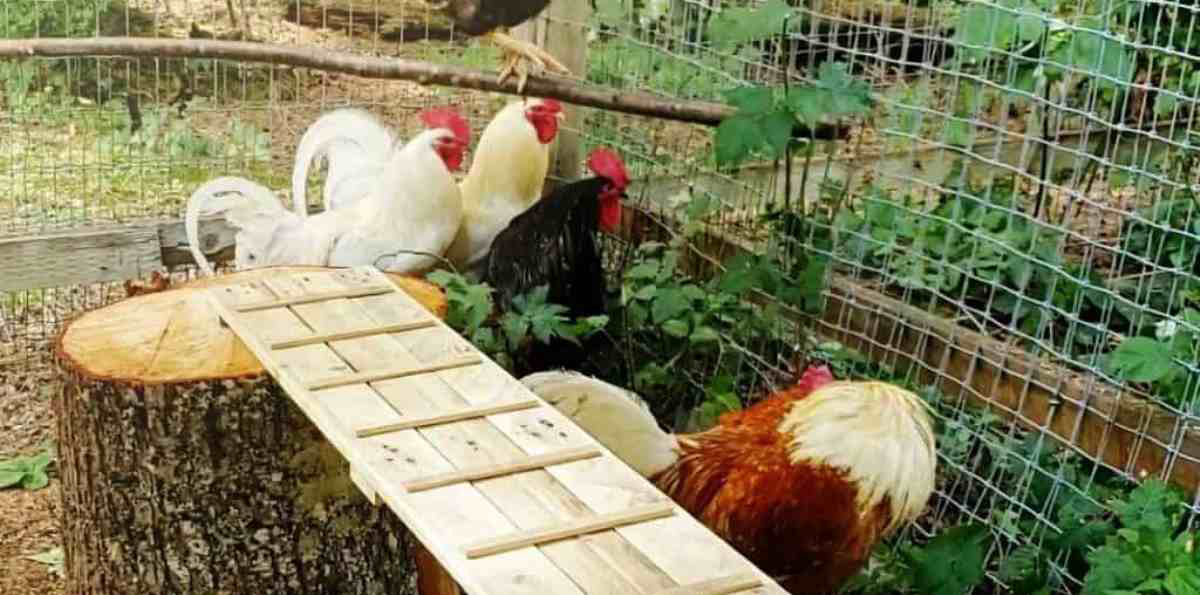 I should also mention that the EU has much stricter animal welfare laws than in the US. While there are a laudable number of farmers in the US who pride themselves on raising poultry, cattle, hogs and sheep for consumption in a healthier environment, it is a voluntary movement. In the EU growth hormones are banned and antibiotic use is severely limited to treat specific diseases. And despite the millions spent by Bayer-Monsanto, glyphosate is under review and other pesticides allowed in the US are strictly prohibited.
There certainly is a good fight going on in US farming to emulate the stiffer standards in the EU, but of course the American agricultural lobby is working just as hard to soften the legitimate bans set up by the EU. Organizations like the Real Organic Project are arguing against using the term organic for hydroponic crops (currently allowed by the USDA but not the EU). One only has to listen to the whining by our current administration over the prohibition of American beef in Europe to get a glimpse of the sides in these debates. I applaud the regulatory forces in the EU and the brave souls in the US agricultural sector who are raising alarms over the state of our food regulations. My distaste for peanut butter and Nutella might have wavered slightly, but I remain steadfast in my aversion to the peanut butter, banana and mayonnaise sandwich — even if it’s made with EU approved Jif and Mayo.
Peanut butter and bananas on toast is the best breakfast! But, I haven’t used the “normal” peanut butter in ages. I only like the natural kind you have to stir (peanuts and salt), and to be exact only the Safeway Organics version. It’s less grittier and once I use my peanut butter stirrer and stick it in the fridge it stays unseparated. I can’t convince you of the bananas but if you’re ever back over here, give peanut butter another try.