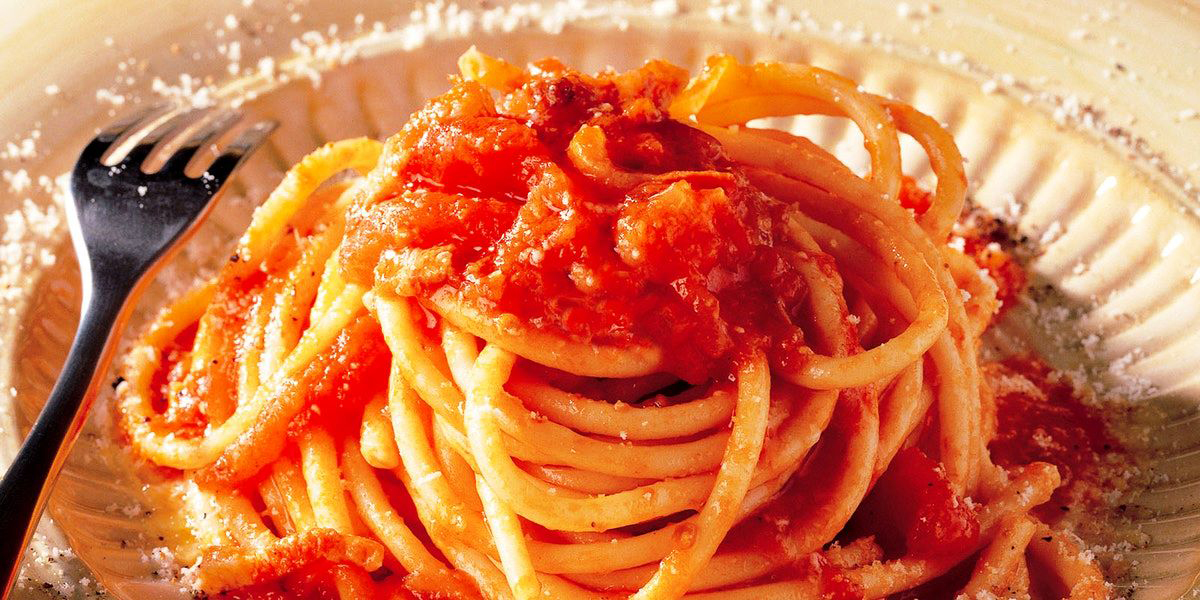

Taken from the World Too Al Dente – Aldo Fabrizi
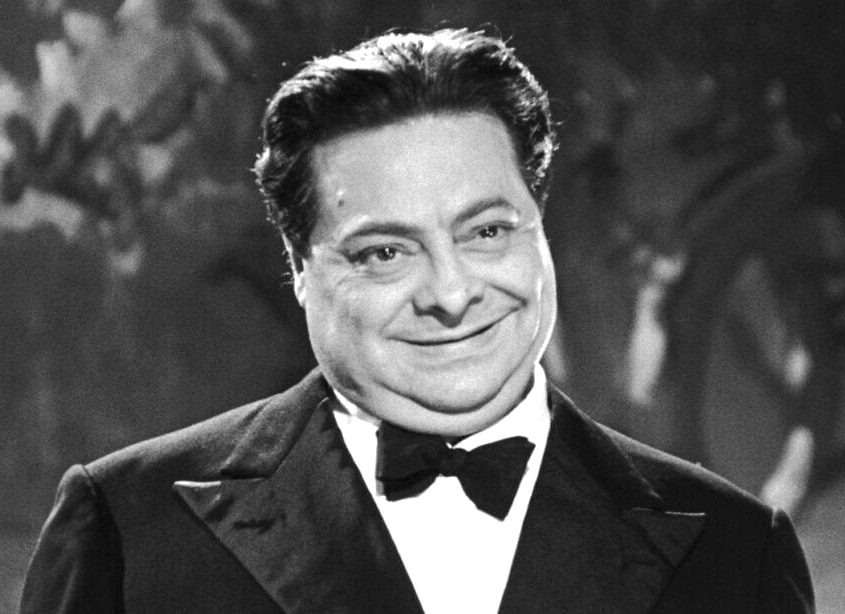
The Italian expression al dente describes perfectly cooked pasta texture: not soggy and swollen, but toothsome, with a bite.
When the actor Aldo Fabrizi died in 1990, it was his wish that his epitaph be a line from a poem he penned: “Tolto da questo mondo troppo al dente.” That loosely translates to “taken from the world too al dente,” or too undercooked. He was 85 when he was poured out of the boiling water of life.
Modern actors are not normally known for their love of food and eating, much less for writing verse, which is what makes Fabrizi especially distinctive in film history. Today he is remembered for his comic roles as a character actor, but the Roman performer garnered international recognition for his dramatic performance as the fascist-fighting priest Don Pietro Pellegrini in Roberto Rossellini’s landmark movie Rome, Open City. If you haven’t seen it yet, put it on your watchlist and see a World War II film made just days after Rome was liberated by the Allies.
Roman Holiday
Aldo Fabrizi, Anna Magnani, and Alberto Sordi were the holy acting trinity of postwar Rome, symbolizing the Eternal City’s transition from life under a hardened economy with little room for social mobility to the capital of a booming first-world country.
Fabrizi was born into an Italy governed by a king, lived under a dictator, and flourished as an actor in the republic that emerged after the war. The 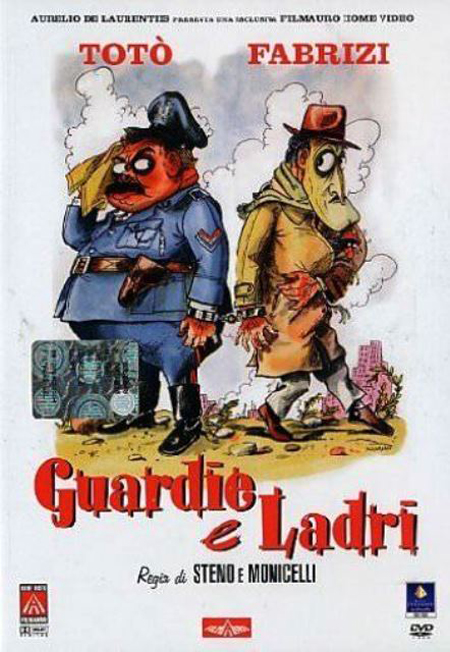 son of a carriage driver and a fruit-and-vegetable seller at Campo de’ Fiori, he entered the workforce when he lost his father at the age of eleven. Many of his odd jobs and observations of working-class Rome inspired the character sketches and monologues that brought him notoriety as a stage actor in revues. The tram driver, waiter, and doorman were all macchiette that he took from the theatre to the screen and television. In fact, he made his debut in 1942 as a tram ticket collector in Before the Postman, a movie he co-wrote with director Mario Bonnard and a young Federico Fellini, whom Fabrizi trusted as a screenwriter and brought into the crew of Rome, Open City.
With his portly frame contrasting comically with his elegant movements and his face’s cartoon-like expressions, Fabrizi was a distinctive and iconic screen star. His career of eighty-five films included titles that he both directed and wrote, like The Passaguai Family and Immigrants, a period as a co-star with the Neapolitan comedian Totò, most notably in Cops and Robbers, and a vast number of comedies. Although not his final movie, Fabrizi’s last great performance was his role as a corrupt real-estate developer in Ettore Scola’s We All Loved Each Other So Much, playing an almost tragic version of his original comic Roman stock characters in a poignant story about the transition of three resistance fighters into the changing social and economic landscape of Italy from the end of the war to the 1970s.
La pastasciutta and Nonna minestra
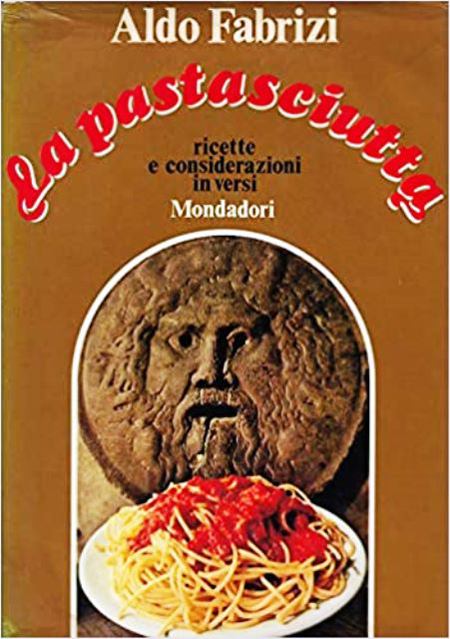
But where did that poem come from? Fabrizi’s other two passions were writing poetry and enjoying food, and not merely as a consumer. His two books, La pastasciutta and Nonna minestra, whimsically combine culinary poems peppered with Roman dialect and his own recipes for popular, humble fare like pasta coi fagioli, pasta e ceci, soups, and dishes brightened with hot chili peppers. His sister, Elena Fabrizi, better known as Sora Lella, also shared the same enthusiasm for cooking and Roman cuisine. For decades, she was the woman behind the stove of her own eponymous restaurant, which is still in operation in Trastevere, although she has passed away.
In a television interview, Fabrizi revealed that the dish that really made his heart sing was pasta all’amatriciana, a pillar of Laziale cuisine. There can be no doubt that pasta was his weakness, and he yields to temptation both eloquently and comically in this clip from Un militare e mezzo. Buona visione!

Comments & Reviews