Strawberry Fields Forever
What is it about strawberries that makes us cling to them year-round? Well, blueberries too, but that is another post. I am as guilty as the rest of the out-of-season produce-grabbing population and will pull a basket of weak-flavored strawberries for 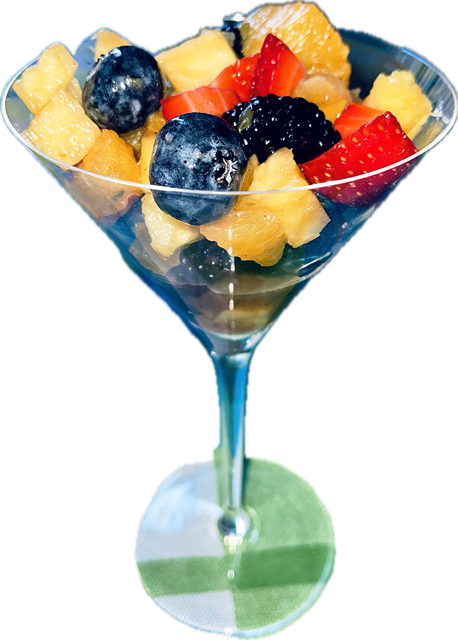 my morning macedonia in the dead of winter. My son-in-law disapproves. He also religiously believes that melons should not be purchased before June. I should tell him that global warming has updated the calendar.
But back to strawberries, which are at their best both in Italy and in the US at this time of year. And I once again offer to you KD readers my recipe for what I believe to be the best strawberry dessert: an American 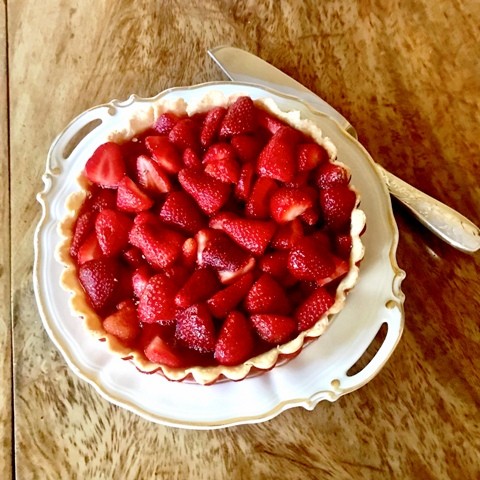 strawberry pie recipe that I cut out from Sunset magazine over half a century ago. It is hands down our family’s favorite strawberry dessert. It is the only recipe that my mother-in-law, an incredibly talented Southern cook, ever asked me to give her.
In second place, I give you a three-layer almond meringue strawberry torte from the River Cafe in London. Unlike the strawberry pie, it requires a lot more work, but is glorious. And if you have air conditioning—another American habit I cling to in Italy, also against the admonitions of mio genero—it is a pleasure to make, as the almond layers with a whipped-cream-and-strawberry filling are supposed to look American-sloppy, not European-polished.
Ours vs. Theirs
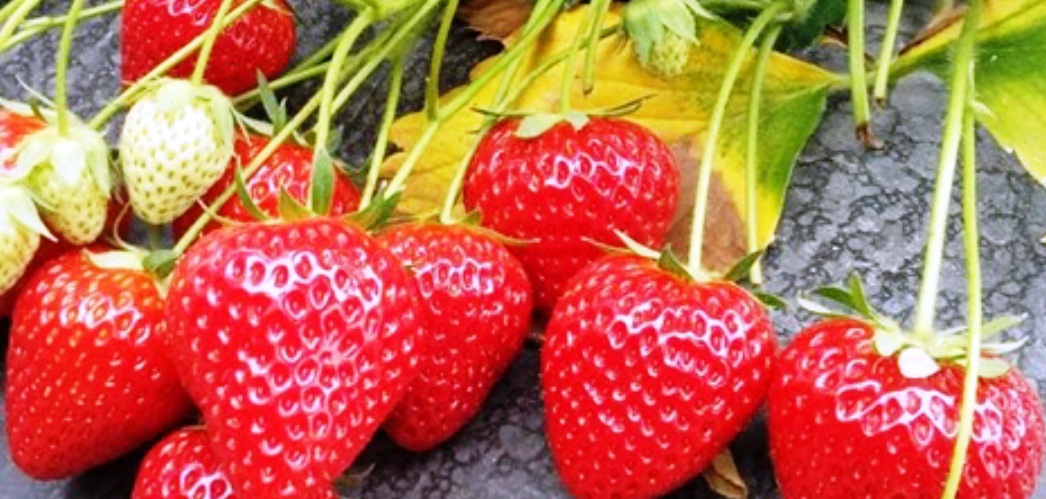
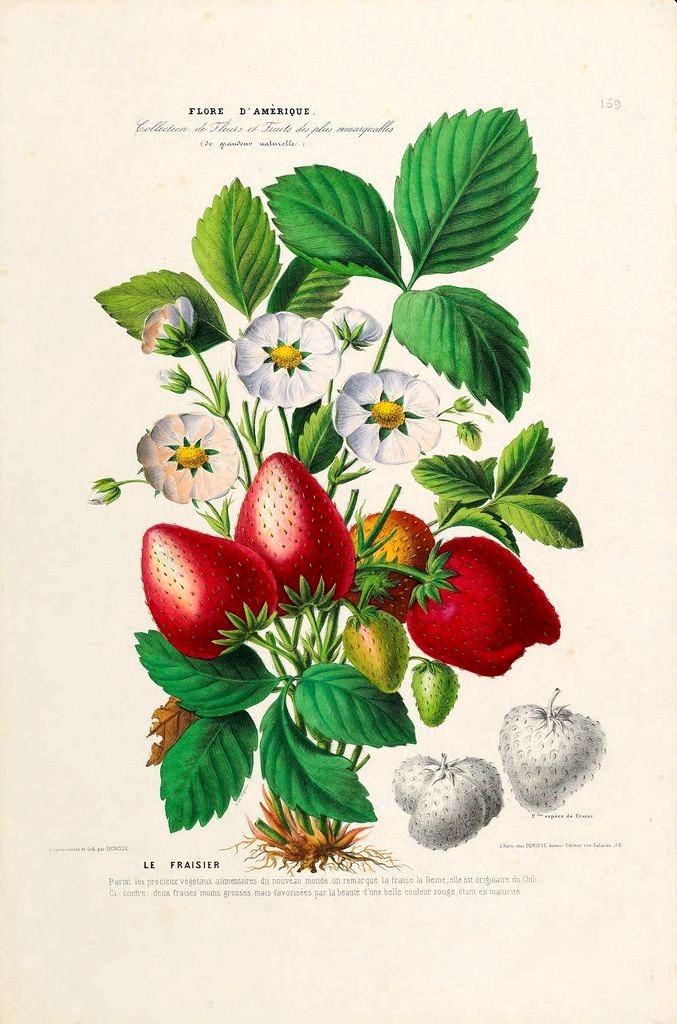 The strawberries of today are not to be confused with the Alpine strawberry, which has existed in Europe for millennia. The latter is otherworldly in flavor and perfume but lasts a hot minute on your plate. Its more modern cousin is a descendant of the North and South American fruit first noted by European explorers at the end of the 16th century. In fact, in my home state of Virginia, some of the first strains of small red Fragaria virginiana were brought back to Europe along with a Chilean one, Fragaria chiloensis, a large, plump, whitish version. French botanists, inadvertently some say, cross-pollinated the two, and this was the ancestor of many cultivars used today. And the strawberry red that we take for granted? It progressed from this cross-pollination, as these New World strawberries were pale. That said, the cultivars in the US are different from the ones in Italy.
Here, the backbone strawberry, particularly in winter, is the Spanish Sabrosa, trademarked in Italy as Candonga. It is a major crop in Basilicata. I have bought Sabrosa, a big one with a pleasant tart taste even though the berries have a high sugar level. It is also a supermarket 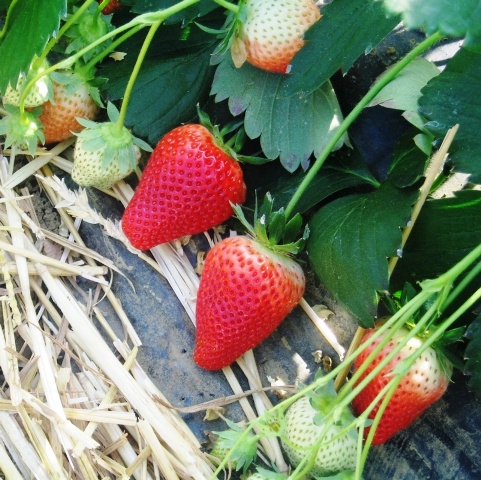 favorite because of its long shelf life. Sabrina, Roxana, and Irma are other varieties that I have bought in Bologna. While large, they do not have the cavernous white interiors and woody texture of the ones you see in the US.
We used to buy lovely strawberries at our farmers markets in Alexandria, and I think we had two summer seasons, one in late May through June and the other later, toward the end of summer. I never could find out from any of the farmers what the particular cultivars were. But they were light-years better in flavor than those in the grocery stores. Here are the types that are generally available: Albion and Seascape from California have long harvests and were cultivated to have a reliable flavor and ship easily. Sweet Charlie and Chandler are southeastern specialties. Sweet Charlie delivers on its name: low acid, high sugar, and not too large. Chandler is the big monster dipped in white and bittersweet chocolate that you usually see on restaurant and hotel buffet dessert trays.
I never found the little wild mountain strawberries indigenous to Europe in the farm markets I shopped at in the US. But they do cultivate them here in Emilia-Romagna and Piemonte. When in season, some of the famous markets in the Quadrilatero off Piazza Maggiore offer them. You must rush them home and serve them almost immediately, with whipped cream or gelato al fior di latte, an ice cream made simply with the richest part of milk with no other flavoring, and accompanied perhaps by a dry Italian cookie.
We Can Do Better
I must add that Driscoll’s, which has of course mastered the art of growing fruits that are built to last, shipping-friendly, and bland in flavor, has entered the EU. It is based in the Netherlands, which is an unapologetic home for food technology hubs. This American behemoth is limited to partnering mostly with conventional growers in Spain and the UK, since it cannot utilize some company protocols in EU member countries, particularly in the area of organic certification. Italy has some of the strictest pesticide protocols in the EU and is a leader in organic farming.
In the US, Driscoll’s successfully pushed for hydroponically grown produce to be labeled organic under federal certification rules. It is obvious that plastic bins of strawberry plants in controlled aqueous solution, while certainly a worthwhile agricultural approach, are not organic. Their model for growing strawberries, raspberries, blackberries, and blueberries is brutal. It relies heavily on pesticides and chemical fertilizers, including PFAS. Driscoll’s itself does not own the farms that grow, harvest, and package its berries.
It forms partnerships with growers and offers a hefty revenue-sharing program. This gives them a corporate shield as they market and distribute the fruits grown by their contract farms. The growers must use the fruit cultivars that Driscoll’s develops and owns. They also have to use the pesticides and fertilizers that the company stipulates and utilize Driscoll’s technological “expertise.” They have appropriated huge numbers of aquifers where water is scarce, arranged land-grab deals from local farmers with paid assistance from local politicians, and winked at the abuse of field workers at these farms. Their unique program allows Driscoll’s to avoid local litigation and complaints about environmental damage by local neighborhoods while delivering us a plump, flavorless strawberry. I relluctantly must concede to my son-in-law – we really should wait for the good stuff—even if it’s next June.
Oh, Nancy, what a perfect post about strawberries today. How I wish I had some of the sweet ones you mention. I’ve had some really lovely strawberries from the Sherwood Hall Farmers’ Mkt; but, alas, none were to be had when I arrive this morning at 10:30a. I was told all had been claimed by 8:30a, which is a reminder that the early bird has the pick of the bounty. It may be that we are at the end of the season, but I will try at our little farm stand that comes from PA on Thursday afternoons on Belleview… Read more »
Mary – It’s a scorcher here, but I am still getting terrific strawberries. I had forgotten about that little stand in Belleview Drive. I discovered it just a year or two before we left. I have to say that the Wednesday market on Sherwood Hall Lane was a remarkable resource, even during the Covid winter, I could pick up ba box of meat and produce – even if it were mostly dense root vegetables.
Nancy
My memory is we’re at the end of strawberries around here (NoVA) but right at peak Jersey blueberries. And then after that peaches and the best corn. I miss summers at my grandmother’s house. And she didn’t really bake so it was all just fresh fruit and veg. Oh yeah, most of it was grown in her neighbor’s back yard. The tomatoes!!
Hi Jennifer –
Gosh, I do miss fresh corn in Italy. Your email reminded me!You must have wonderful memories at your grandmother’s home, I certainly have great memories of times and meals at my husband’s parents’ farmhouse in Loudon County. I still have not found the varieties of tomatoes that I used to get in Northern Virginia.
Nancy