
Recipe Exchange
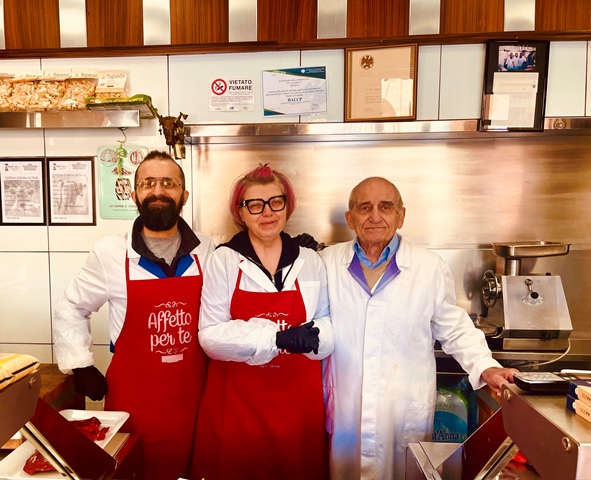 Being a senior citizen American transplant in Italy I occasionally get reminders of my heritage in the oddest ways. I have been asked how to speak like a Noo Yawker, and hilarity follows. My chocolate chip cookie recipe, while not an Instagram influencer, is beloved in my adopted neighborhood and highly prized in school snack trades. My grandson here insists that Texas Sheet Cake is the only way to celebrate his birthday. Furthermore, on a visit to Macelleria della Pioggia– which by the way is run by a 90+ father and son and enhanced enormously by the son’s pink-haired Romanian born wife – I got a recipe request. When I dropped off some chocolate chip cookies, she asked me for an American pound cake recipe. In turn she has promised me one of her mother’s Romanian dessert recipes.
English And French Antecedants
Although its roots are buried in humble 18th century British cooking traditions, pound cake is generally considered to be an American baker’s classic. Its origins are tied to illitracy when cooks, unable to read, could at least pass on an easily remembered recipe of a pound each of eggs, butter, flour and sugar. There is no leavening agent other than air and elbow grease. It should be noted that pound cake became a Southern tradition, where enslaved cooks made it for the plantation owners and their families. And indeed, much of the loyalist opposition to the American Revolution was based in the South, so perhaps this is why pound cake resonates more there than north of the Mason Dixon Line. My mother, born in Montana, who made angel food cake, devils food cake, and a legendary cake with chocolate mousse and ladyfingers, never made a pound cake. But my mother-in-law, hailing from North Carolina, did and served it often as the base for her seasonal strawberry and peach shortcakes instead of biscuits. She used the recipe from her 1951 version of Joy Of Cooking, and I followed suit. But then I got interested in French baking and Austrian baking so pound cakes were forgotten. Until pink-haired Cristina asked me a month ago. The official taster of the house pronounced that whatever recipe I gave her, I owed it to my currently beleaguered country to bake several different ones to make sure it “was really good”. I remember making Edna Lewis’s version, which uses egg whites, and while it is nice, it lacks the wallop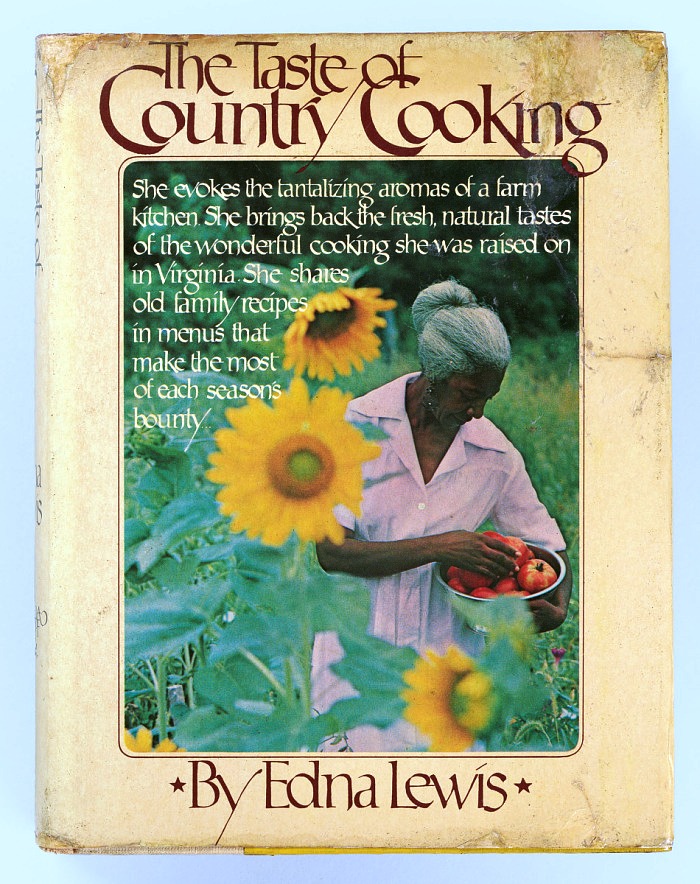 of the good pound cakes that live in my memory. In fact, if you want a good book on rural Virginia cooking, I don’t think you can beat her 1976 book A Taste of Country Cooking. From this treasured tome I perfected Chicken and Dumplings, my first decent Southern biscuit and several other dishes my husband and I both cherish. I actually want to serve our Italian friends some of Edna’s dishes to showcase a misunderstood aspect of American Cuisine.
Since my cookbooks and baking pans are somewhere in the 106 boxes loitering in a Milanese warehouse, I thought Nancy Silverton (Thank you Epicurious) was a good place to start with a new approach to this classic, and I made her version of a traditional pound cake. It was indeed dense (not in a bad sense) and almost savory in flavor – she specifies a beurre noisette in her instructions. Melted butter, I found out, is one of the aspects that separates the Anglo-Sasxon pound cake from its Northern French cousin – quatre quarts. In our recipes we cream room temperature butter with the sugar until fluffy and silky in texture. In Brittany their much vaunted butter is melted and is folded into stiffly beaten egg whites – egg separation, I discovered, is yet another difference between these two cakes.
I then tripped over a recipe by the American poet Tracy K. Smith that she had given to The New York Times in 2015. She was our Poet Laureate from 2017 through 2019 and used this honor to bring poetry to rural communities. She launched a daily podcast (a short listen with a focus on one poem and personal reflection) titled The Slowdown. Her father was a passionate avionics engineer and scientist whose work helped launch the Hubble Telescope. It should not be a surprise that she won a Pulitzer Prize for her collection of poems under the title “Life On Mars” She has translated poetry from contemporary Chinese poet Yi Lei and written a memoir. She currently teaches at Harvard and is writing librettos for operas.
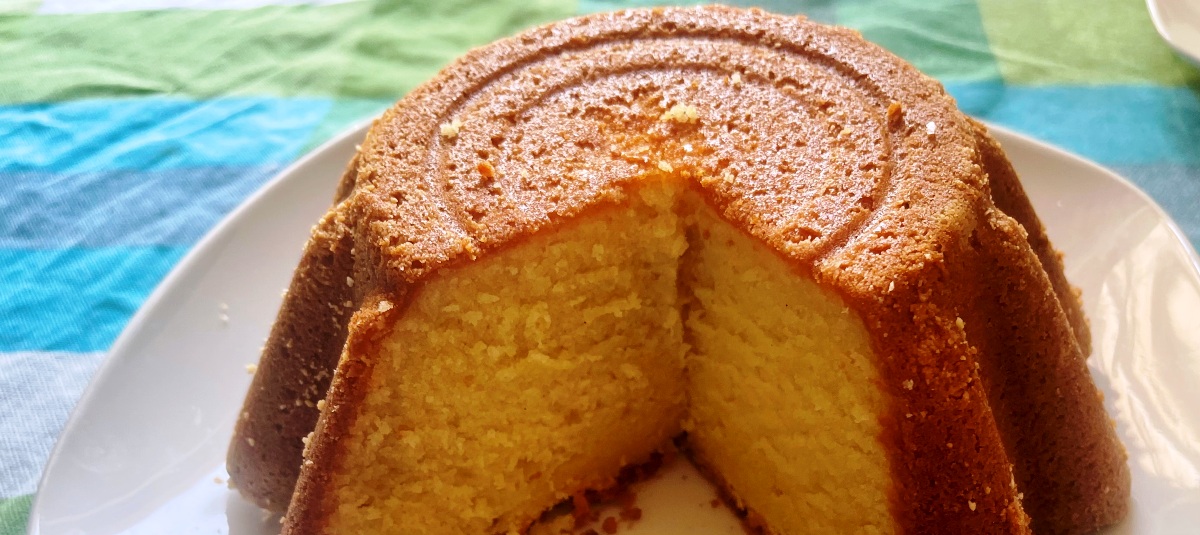
So while I am unable to explain to the Montanari family any of the remarkable achievements of Tracy K Smith or even translate for them any of her poems, I have passed on her mother’s recipe for pound cake – which she wrote that she has perfected over time. Her mother, she said, was the oldest of 13 children from a farming family in pre-Civil Rights Alabama. Her mother cooked and baked out of necessity, whereas she feels privileged to be able to do it for pleasure. The Montanari family loves this cake, and I have an in-house request to bake it frequently. I hope they share my conviction that Tracy Smith’s pound cake is one of her best poems.
of the good pound cakes that live in my memory. In fact, if you want a good book on rural Virginia cooking, I don’t think you can beat her 1976 book A Taste of Country Cooking. From this treasured tome I perfected Chicken and Dumplings, my first decent Southern biscuit and several other dishes my husband and I both cherish. I actually want to serve our Italian friends some of Edna’s dishes to showcase a misunderstood aspect of American Cuisine.
Since my cookbooks and baking pans are somewhere in the 106 boxes loitering in a Milanese warehouse, I thought Nancy Silverton (Thank you Epicurious) was a good place to start with a new approach to this classic, and I made her version of a traditional pound cake. It was indeed dense (not in a bad sense) and almost savory in flavor – she specifies a beurre noisette in her instructions. Melted butter, I found out, is one of the aspects that separates the Anglo-Sasxon pound cake from its Northern French cousin – quatre quarts. In our recipes we cream room temperature butter with the sugar until fluffy and silky in texture. In Brittany their much vaunted butter is melted and is folded into stiffly beaten egg whites – egg separation, I discovered, is yet another difference between these two cakes.
I then tripped over a recipe by the American poet Tracy K. Smith that she had given to The New York Times in 2015. She was our Poet Laureate from 2017 through 2019 and used this honor to bring poetry to rural communities. She launched a daily podcast (a short listen with a focus on one poem and personal reflection) titled The Slowdown. Her father was a passionate avionics engineer and scientist whose work helped launch the Hubble Telescope. It should not be a surprise that she won a Pulitzer Prize for her collection of poems under the title “Life On Mars” She has translated poetry from contemporary Chinese poet Yi Lei and written a memoir. She currently teaches at Harvard and is writing librettos for operas.
So while I am unable to explain to the Montanari family any of the remarkable achievements of Tracy K Smith or even translate for them any of her poems, I have passed on her mother’s recipe for pound cake – which she wrote that she has perfected over time. Her mother, she said, was the oldest of 13 children from a farming family in pre-Civil Rights Alabama. Her mother cooked and baked out of necessity, whereas she feels privileged to be able to do it for pleasure. The Montanari family loves this cake, and I have an in-house request to bake it frequently. I hope they share my conviction that Tracy Smith’s pound cake is one of her best poems.
Recipe
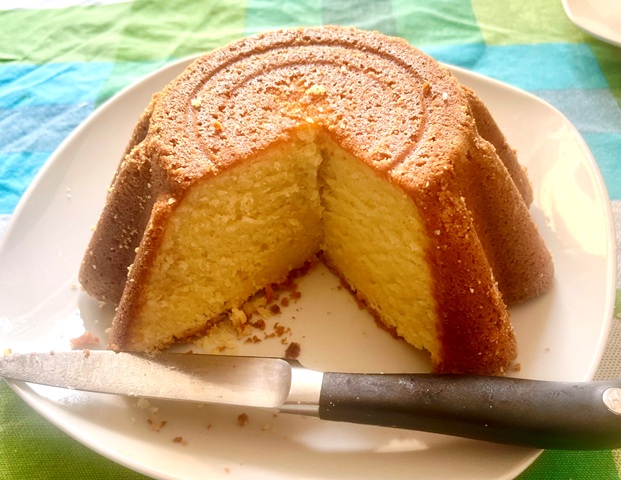
American Pound Cake
Even more delicious the day after and the day after and day after..
Ingredients
- 1½cups/340 grams salted butter , softened at room temperature, plus more for greasing the pan
- 3cups/600 grams granulated sugar
- 6large eggs, at room temperature
- 3cups/345 grams cake flour, plus more for the pan
- 1cup/ 235 milliliters heavy cream
- 1tablespoon vanilla extract
Instructions
- Heat oven to 3250F (160C). Using softened butter, grease and flour a 12-cup bundt pan or 10-inch tube pan – I always use almond powder instead flour after buttering the cake pan.nIn a large bowl, combine butter and sugar. Using an electric mixer, beat on high speed until creamy, 3 to 4 minutes.nAdd the eggs one at a time, beating well after each addition.nBeat in about 1 cup of the flour until well combined, then beat in half the cream.nRepeat additions, beating well in between each one, and ending with the flour.nBeat in vanilla. Using a rubber spatula, scrape batter into the prepared pan.nBake in the center of the oven – place on a lower rack – if in a narrow loaf pan or smaller 6 cup mold check after 50 minutes.
Notes
- This recipe will fit a 2 1/2 quart ring mold or two 6 cup loaf pans. I have mentally cut this recipe in half and baked in the only available pan in my current rental kitchen.
- I add 1 teaspoon of salt to fhe flour since I usually bake with unsalted butter
- The cake is baked when the center temperature is 200-204F.

When I was a kid, I baked a pound cake from the River Roads Recipe book. I think it was because we already had all the ingredients on hand. My favorite modification is to bake it in a bundt pan, with a few rose-scented geranium leaves place in the pan. Thanks!
Hello Gika,
I had that cookbook for years! I think it’s in my 106 boxes in Milan. I never thought about lining a cake pan with scented leaves. I may try that here in Bologna with fig leaves, which I know I can get from a friend. Thanks for the suggestion.