Moving On From Margarine
 In May of 2023 I wrote a post with a brief history of margarine and its place in my childhood. While it certainly lacks butter’s flavor and unctuousness in baked goods and sauces, the post’s recipe makes excellent pierogi. Butter, bought from whatever grocery chain frequented by my mother (A&P and later Safeway) was always reserved for the table. All baked goods were made with Crisco and margarine. It was not until I started to cook with a remarkable American woman who had gained a hard-earned three-year degree from the Cordon Bleu in Paris, that I learned what a difference butter could make when following a recipe and not just a luxurious spread on toast or muffins.
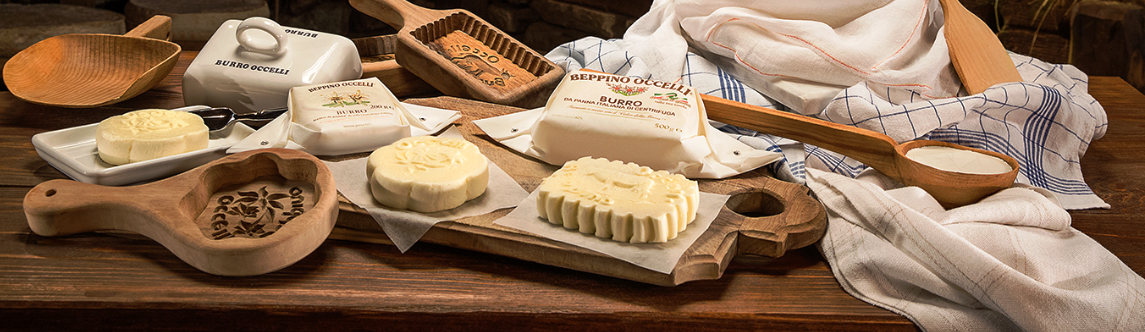
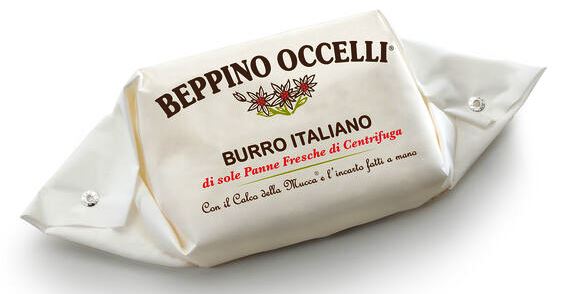
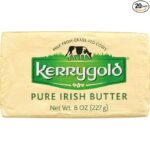
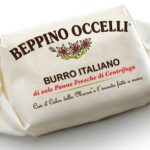
I made my way up from Land O’Lakes, passing through off-brands, and my last stop before moving to Italy was KerryGold, which I used to buy in cartons of 20 8oz units. I am now trying out different brands of butter available to me in Emilia Romagna. Currently the richest butter I have found is by Beppino Ocelli, which is actually produced as a “sweet” butter rather than “cultured”. It has an 85.7% butterfat scorecard. I shall report further butter finds in my quest.
In May of 2023 I wrote a post with a brief history of margarine and its place in my childhood. While it certainly lacks butter’s flavor and unctuousness in baked goods and sauces, the post’s recipe makes excellent pierogi. Butter, bought from whatever grocery chain frequented by my mother (A&P and later Safeway) was always reserved for the table. All baked goods were made with Crisco and margarine. It was not until I started to cook with a remarkable American woman who had gained a hard-earned three-year degree from the Cordon Bleu in Paris, that I learned what a difference butter could make when following a recipe and not just a luxurious spread on toast or muffins.
I made my way up from Land O’Lakes, passing through off-brands, and my last stop before moving to Italy was KerryGold, which I used to buy in cartons of 20 8oz units. I am now trying out different brands of butter available to me in Emilia Romagna. Currently the richest butter I have found is by Beppino Ocelli, which is actually produced as a “sweet” butter rather than “cultured”. It has an 85.7% butterfat scorecard. I shall report further butter finds in my quest.
Butter Basics
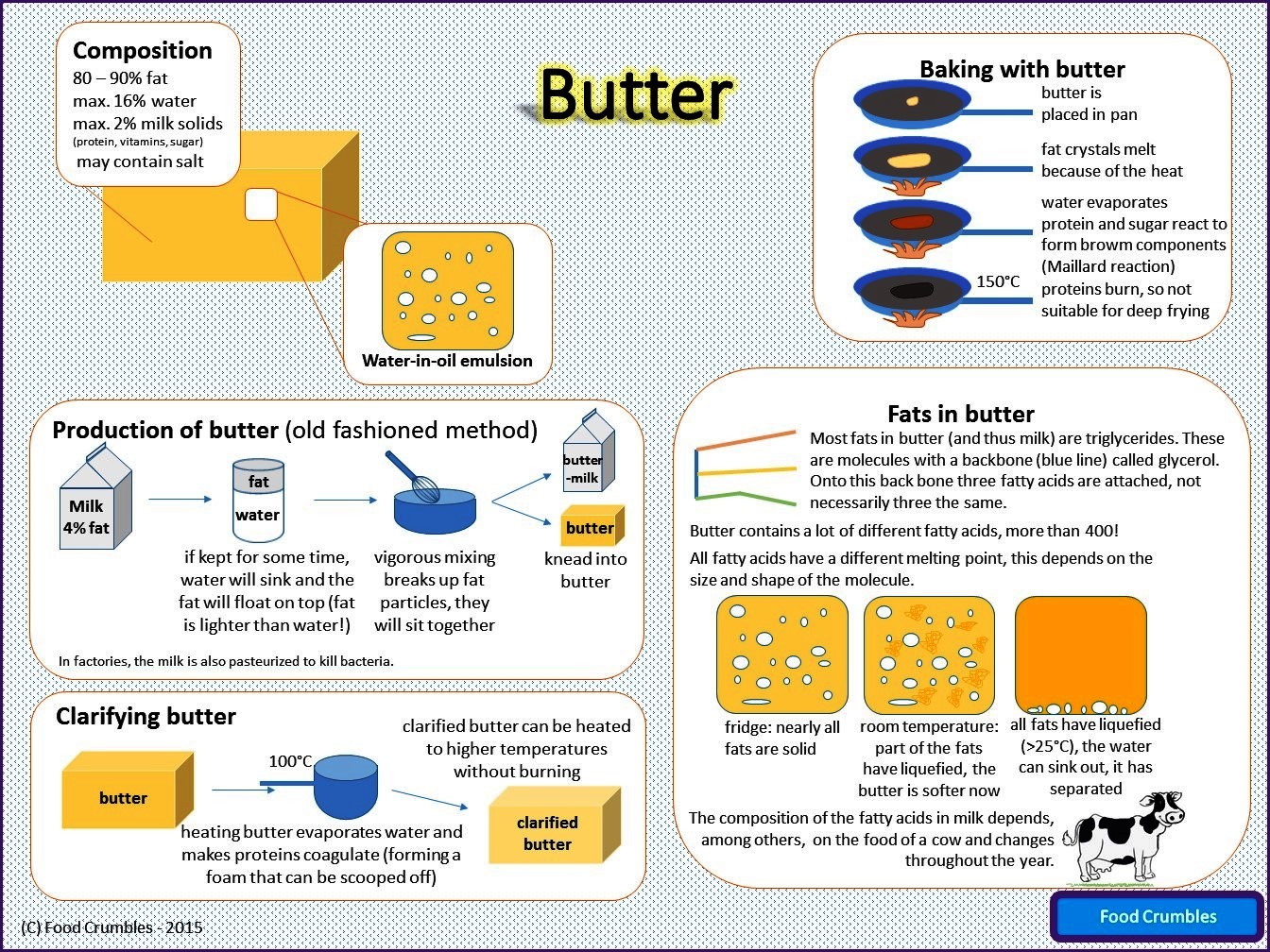 While butter is made by separating out the butterfat globules and leaving a low-fat milk residue, there are some differences to look for that matter for quality and taste. First of all, it is usually made from heavy or whipping cream (it can be made from whole milk with a high butterfat content, but the process is more complicated than just shaking a jar). In order for it to be the butter that we know today, the final product after churning and “washing” must have 80% butter fat. Most American butters have just the minimum – 80% is required by Federal Law in order to be called butter in the US.
Butter’s color depends on the diet of the cow. Grass-fed cows have access to wild flower bearing grasses, which have carotene. This makes the butter more yellow. In the US, as most industrial milk is produced by cows fed on alternative commercial feeds, often annatto or another coloring agent is added to this butter to give it a buttery color. According to Wikipedia, our dairy industry successfully lobbied Congress to exclude them from having to list natural or flavorless colorants on butter. All other foods must list any colorant. In addition, diacetyl and a lactic acid can be added to increase the butter flavor and simply be listed as “natural flavors.”
While butter is made by separating out the butterfat globules and leaving a low-fat milk residue, there are some differences to look for that matter for quality and taste. First of all, it is usually made from heavy or whipping cream (it can be made from whole milk with a high butterfat content, but the process is more complicated than just shaking a jar). In order for it to be the butter that we know today, the final product after churning and “washing” must have 80% butter fat. Most American butters have just the minimum – 80% is required by Federal Law in order to be called butter in the US.
Butter’s color depends on the diet of the cow. Grass-fed cows have access to wild flower bearing grasses, which have carotene. This makes the butter more yellow. In the US, as most industrial milk is produced by cows fed on alternative commercial feeds, often annatto or another coloring agent is added to this butter to give it a buttery color. According to Wikipedia, our dairy industry successfully lobbied Congress to exclude them from having to list natural or flavorless colorants on butter. All other foods must list any colorant. In addition, diacetyl and a lactic acid can be added to increase the butter flavor and simply be listed as “natural flavors.”
Cultured vs Sweet Cream
These two additives can be used to create a fermented or cultured butter taste without having to go through the process of fermenting the butter. Which brings us to some other differences between American and European butter. Sweet cream butter came into popularity in the UK and the US in the late 19th century, with the introduction of refrigeration. Without taking the time for the cream to clabber (which is several hours ) commercial butter could be produced in less than a day. Fermented or cultured butter takes a few days. In continental Europe, cultured butter dominates while in the UK and US, sweet cream butter is the major seller. Regardless of type, all butter sold in the US, UK and Europe are made from pasteurized cream and milk. Raw milk butter can be made from privately purchased raw milk. While it is legal to drink raw milk in the US, regulations vary from state to state as to the purchase of raw milk by individuals. As my mother-in-law contracted tuberculosis from tainted milk in Mississippi, I certainly understand the need for pasteurization.Sources And Salt
There are a few US producers who sell a richer butter than 80%. Plugra (yes it’s an American company), Organic Valley and Vermont Creamery produce 82% butters. If you can find Vital Farms butter, its unsalted butter has an 85% butterfat ratio, and its salted butter has 83%.While salt was added to butter to help preserve it when refrigeration was not available, now salt is added for flavor. In fact if you are trying your hand at making butter and want it salted, an excellent ratio is 1% of the weight of the butter. So if the weight of your butter is 450 grams, then you would weigh out 4.5grams of salt. One quart of heavy cream (which is slightly less than a liter) will yield almost a pound of butter depending on how you “wash” it, and about 2 cups of whey or buttermilk. And salting the butter increases the water content anywhere from 10 to 18% which is the main reason why many baking recipes suggest using unsalted butter. A higher water content in butter will lessen or flatten the structure and height of your baked goods. We use buttermilk in our baking, as it provides a more tender crumb in cakes, muffins, biscuits and pancakes. It just doesn’t enter into baking here in Italy. What we see as buttermilk in the US is usually skimmed milk with a lactic acid or bacteria added to it. It sours and causes it to clabber. I have attempted to make “buttermilk” in Bologna when I do American-style baking. The usual ratio is about 1 tablespoon of vinegar or lemon juice to 8 fluid ounces of milk. It usually starts to clabber within minutes.Making Your Own
I found this video to be really instructive about how to make your own butter. You can use a mixer first with the whisk attachment and then switch to the paddle when the butter starts to separate from from the milk, but a food processor is much faster. In this charming video below, the two women discuss how important it is to allow the cream to stand at room temperature, in this case overnight.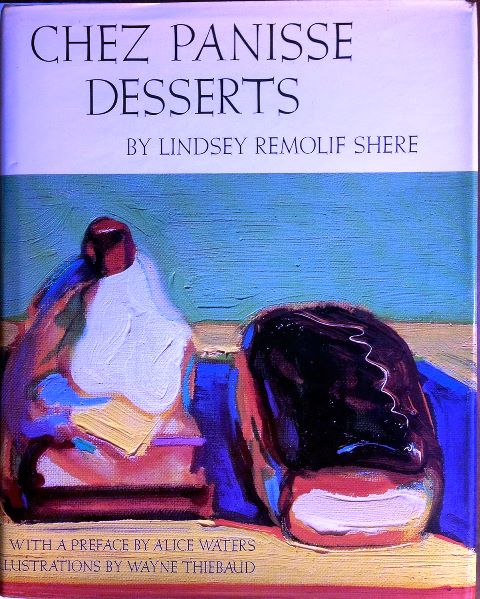
Recipe
Best Sugar Cookies
Look no further for than this recipe for a sugar cookie. Butter is key here.
Yield
20
Ingredients
- 1 cup or 227gr of unsalted butter, softened
- 3/4 cup (150gr) granulated sugar, plus a little extra for rolling – I prefer caster sugar.
- 1 extra-large egg yolk
- 1 teaspoon pure vanilla extract
- 2 cups (240gr) all-purpose flour
- 1/4 teaspoon kosher salt
Optional
- Candied Citrus Zest from
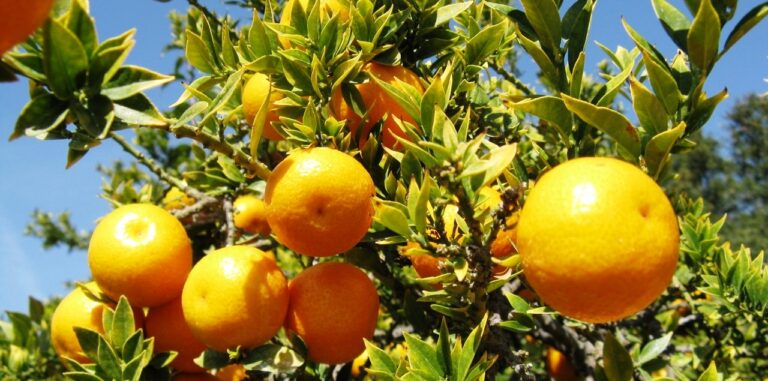
- 4 tangelos or mandarin oranges
- 3/4 cup (150gr) white granulated sugar
Instructions
- Preheat the oven to 350°F. (175C)
- In a stand mixer fitted with the paddle attachment, cream the butter at high speed about 1 minute. Add the sugar, and beat 3 to 4 minutes at medium high, until light and fluffy.
- Add the egg yolk and vanilla and beat a few more minutes, until light and fluffy. Slowly add the flour and salt, and mix at low speed until the dough comes together.
- Shape the dough into logs about 1 1/2 inches in diameter. Roll the logs in sugar, then wrap each one in plastic and refrigerate until firm.
- Slice the logs into 1/4-inch-thick rounds and top each one with candied tangelo zest. Bake 10 to 12 minutes, until they’re lightly browned on the bottom.
- For the candied zest
- Using a peeler, make long strips of zest about 1/3 inch wide. Place them in a small pot, cover with cold water, and bring to a boil. Boil for 1 minute, drain, rinse with cool water, and repeat the process two more times.
- Place the sugar in a pot and add 1/2 cup (118ml)water. Add the blanched zest and bring to a boil. Turn the heat to low and cook very slowly, about 30 minutes, until the liquid becomes thick and syrupy.
- Store the zest in the syrupy liquid in the refrigerator.
- Once the cookies are baked, place a strip of the candied zest in the middle of each cookie.
Notes
- Although the candied tangelo zest is a nice touch, you can also dip them in melted couverture chocolate about half way on each cookie. To not lose the temper of any couverture chocolate, just melt it in a bowl over another bowl of hot water. The temperature of the water should be about 85FnUse a vanilla bean or a top quality vanilla extract as you want to taste the vanilla – you may have to use more extract.nThis dough is really soft so I have put it in the freezer once it has been rolled into rough logs. Once it is cold enough, I roll it in sugar and then re-wrap it in the paper and refrigerate or freeze it until ready to bake.

I adore this post — hearing your butter journey from your childhood kitchen to Beppino Ocelli‘s sweet butter. Thanks for that, and the great recipe, especially since the source is “AOOP.” (I googled it before I found your asterisked note.)
Hi Neva,
I am so happy that you loved the post! I was worried that KD readers wouldn’t find it that interesting. Am making those cookies this weekend to show some Italians what a really good sugar cookie tastes like!
Nancy
I’ve got some cookbooks from the 70s and 80s where I see a lot more margarine listed, especially in what I call the suburban housewife recipe books like from the community I grew up in. I tend to just use butter instead. I’ve played around with butte v shortening, but not really margarine.
Hi Jennifer,
Yes, I still have two Junior League cook books which I still use occasionally and of course margarine is used in a lot of their baking recipes and also for sauces. I just switch to butter too when following the recipes. I have used an organic shortening too in the biscuit recipes in both of them.
Nancy