

Tagliatelle Isn’t Everything
Emilia Romagna, in case you didn’t realize it, is somewhat in Polenta Territory. It is offered in a soft puddle like our grits – although I do miss the pats of butter. It often replaces potatoes as a side dish. Pasta is NEVER a side dish. Not for nothing are Northerners here sometimes referred to as polentoni. From its discovery and transoceanic voyage from the New World to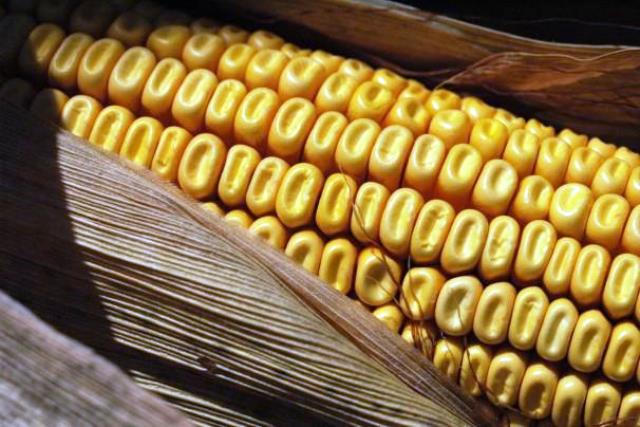 the Old by the late 16th century, corn or maize has been a mainstay of cucina povera in Italy. The main difference that I can see and taste between polenta and grits, is that the former is made from yellow dent corn and is somewhat smooth and meatier in flavor, while grits in the American South are made from white dent corn, which is sweeter and, well, grittier. And while polenta can be served soft or refrigerated and then fried or grilled, you really can’t do that with grits – I certainly have tried and failed.
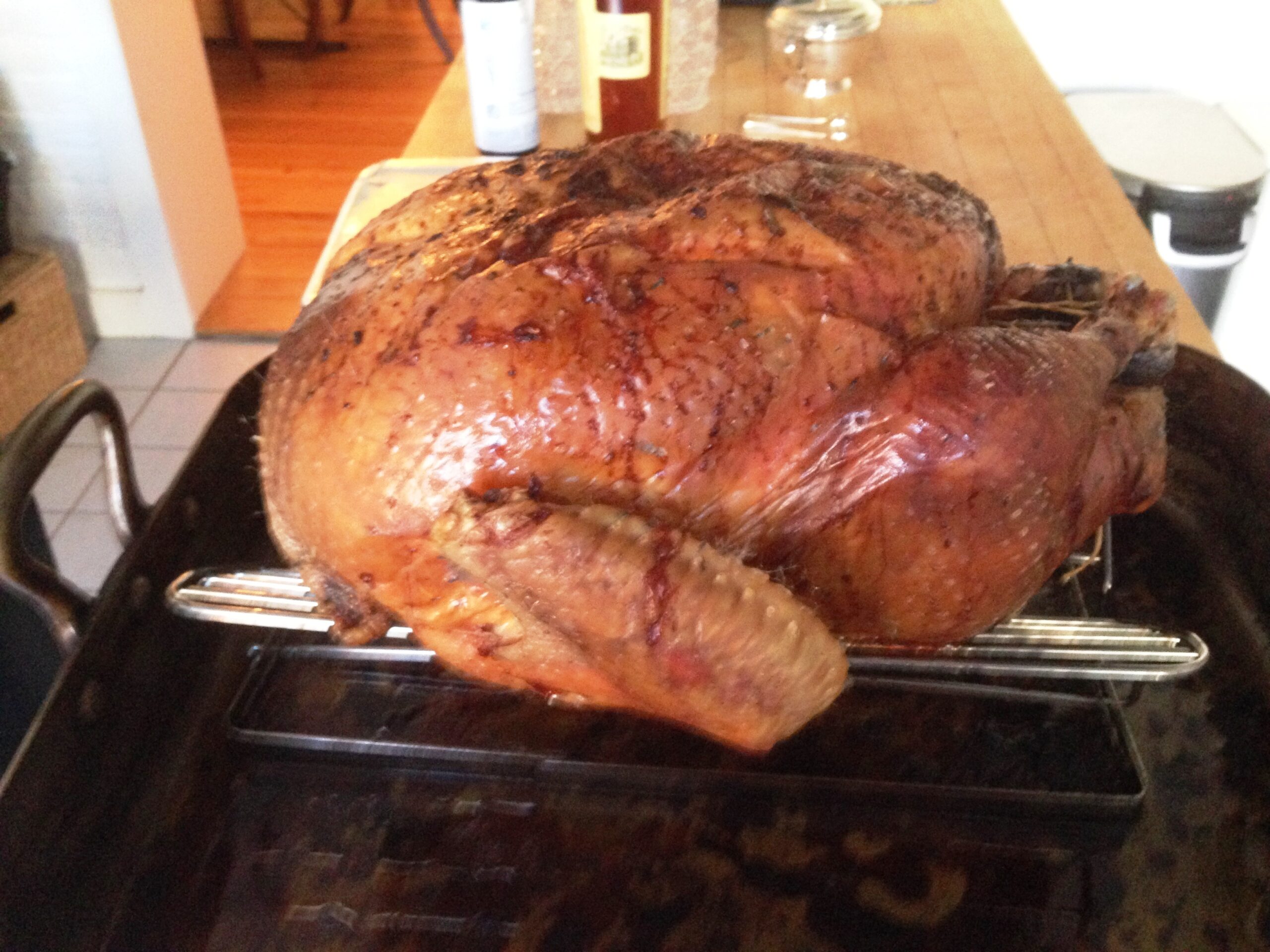 I love polenta and I love grits but I have decided this year to introduce my Italian family and aquaintances to spoonbread, which is still another ground corn recipe. As you may know, it is a Southern specialty and to me much tastier than most cornbread recipes.Yet, mysteriously it’s not served as frequently as cornbread is in restaurants that tout Southern menus. Despite my preference for spoonbread as a side dish, I am tempted to do a cornbread stuffing for our tiny Italian turkey this year. Tiny being defined by 14 pounds (Italian butchers view huge turkeys as something ungodly ) instead of a whopping 32, which I actually did manage to stuff and roast one year at Thanksgiving. We are still talking about that one.
A Mashup of Old & New Worlds
Spoonbread is a unique mashup of an indigenous American culinary tradition and a French technique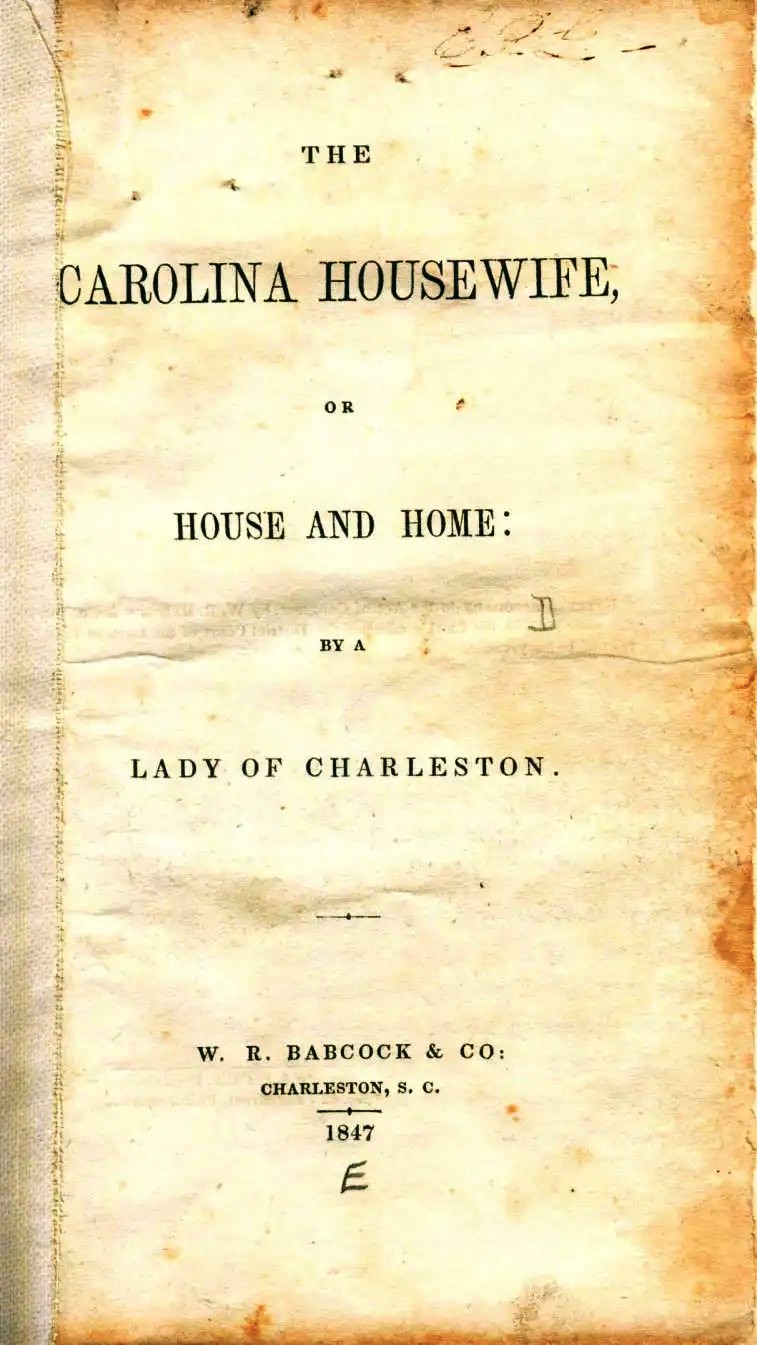 taught to enslaved cooks in the South. According to the research done by the stalwart writers at Wikipedia, its origins come from the Owendaw Indians, in particular the Sewee tribe in what is now South Carolina. Its antecedant is included in the The Carolina Housewife Cookbook (written and published by Sarah Rutledge in 1847) as Owendaw Cornbread. I found it interesting that it was first published anonymously as the Carolina tradition was that a Charleston woman’s name only appears in print “thrice, when born, when married and then buried”. The souffle technique in which you blend the yolks to enrich the base and then whisk the whites to a meringue and fold them in lifted this Indian porridge to another level. Baking soda or powder sometines was added in later recipes to stabilize the poufiness of spoonbread.
My Southern Cooking Heroine
My two favorite versions of this recipe actually come from Camille Glenn’s unbelievably rich cookbook –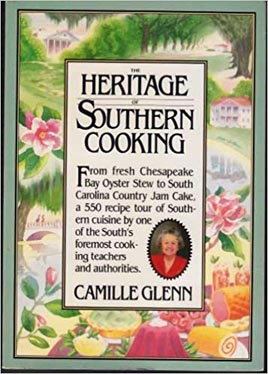 The Heritange Of Southern Cooking. It has 500 recipes, almost 100 of them for dessert, which is a delight for me. We carrried it in the shop for years. In my opinion, she had the real recipe for Brunswick Stew, because it included squirrel. Although I have eaten the real Brunswick Stew, I can’t claim to have attempted that one in all its authenticity. The unabashed photographs of life in the South, while too small in my paperback version, are fascinating to me. The daughter of Kentucky innkeepers, Glenn later ran her own catering business and cooking school. She championed local produce, butter, cream and Cointreau – all things I approve of.
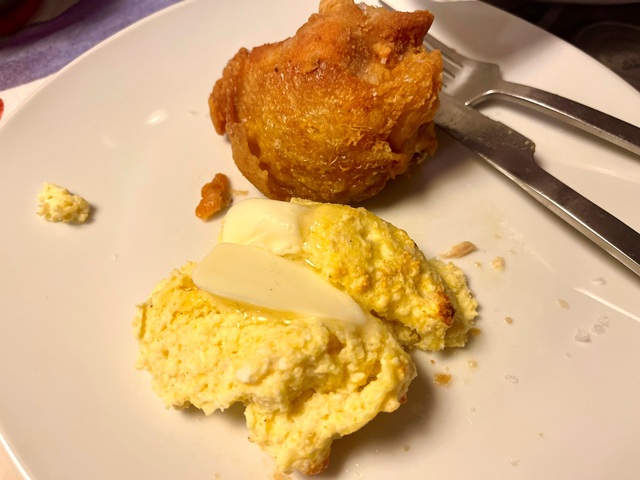 I am including her two recipes for spoonbread here, as the book is now out of print and I can’t find them even in the deep void of the internet. The first is my favorite for family meals, and the second for bigger gatherings. Both use that French soufflé technique, but the first is backed up by a bit of baking powder. I did try the first recipe with an extra egg white and yolk and no baking powder, but that does not work well. I also add more fine sea salt to both recipes.
Recipe
Cornmeal Spoonbread Souffle
Yield
4
Ingredients
- 2 cups (473ml)whole milk
- 5 tablespoons fine white cornmeal – I have also used yellow cornmeal
- 2 tablespoons butter
- 1 teaspoon salt
- 3 eggs separated
- 1 1/2 teaspoons baking powder
Instructions
- Preheat the oven to 350F(175C)nScald the milk in a heavy saucepan but do not let it come to a boil.nAdd the cornmeal and cook over medium heat, whisking constantly until the mixture is like thick mush – about 5 minutes.nAdd the butter and salt.nWhen the butter is melted (and I stir this with a whisk or striated spoon), add the egg yolks and the baking powder.(I whisk the egg yolks together first, before adding – and whisk or stir the batter while adding the yolks).nStir until mixed and remove from heat.nBeat the egg whites until they are stiff but not dry and grainy.nFold them into the cornmeal mixture.nPour this into a 1quart buttered souffle dish or a 1 1/2 quart buttered shallow baking dish.nBake until lightly browned on top – depending on the dish, this can take 30 to 40 minutes.nServe at once, do not try to make this ahead.nOf course,add butter pats to taste.
Recipe
Lexington Spoonbread
This spoonbread is for dinner parties.
Yield
6
Ingredients
- 1 cup (237ml) sifted fine white cornmeal – I have also used yellow cornmeal
- 4 cups whole milk (almost a liter)
- 3 tablespoons unsalted butter
- 1 1/2 teaspoons fine sea salt
- 4 eggs separated
Instructions
- Preheat oven to 350F (175C)nCombine the cornmeal and 1 cup (237ml) of the milk in a heavy saucepan and blend together.nAdd the remaining milk and stir until smooth.nCook this mixture over medium heat, strring constantly until it is thick and smooth – about 5 minutes.nRemove from heat and add the butter and salt.nBeat in the egg yolks until thoroughly mixed (I whisk the egg yolks together first)nBeat the eggwhites in a separate bowl until they are stiff but not dry and grainy.nSpoon the batter into a 2 quart (2 liter) buttered baking dish.nAlternatively, it can be baked in two 1 quart (liter) souffle dishes.nBake until the top is lightly browned – which, depending on the type of baking dish you choose, may take 35 to 50 minutes.nServe immediately. Add butter pats to taste.
Notes
- Oddly enough, this spoonbread lasts well enough for second helpings at large gathering.
Thanks for the recipes! One of my fondest memories from my trip to Italy some 20-odd years ago was stumbling upon (quite by chance) a food festival in Udine, in Northeastern Italy. There was a man making polenta in a gigantic cauldron — practically the size of a dumpster. Stirring the polenta with a similarly elephantine spoon, he was stripped to the waist and glistening with sweat. And you know what? The polenta was pretty good.
Hello Everitt,
Let me know what you think of the spoonbread if you make either one. I think I will add some more of Camille Glenn’s recipes as some are excellent and they don’t seem to be available on the internet. I could never figure out why copper was good for polenta. Was the caulldron in copper?