Bill’s Butter
I have just been informed by several sources in traditional media that we now have a better butter. It is said to be better because it is made by extracting pure methane, carbon dioxide, and hydrogen from clean water (not slop water) through a thermochemical process to create triglyceride molecules. We are assured that more clean water is added, along with sea salt, a plant-sourced lecithin, natural flavors such as rosemary oil, and beta carotene for color. It sounds appalling, but the claim is that it tastes just like butter.
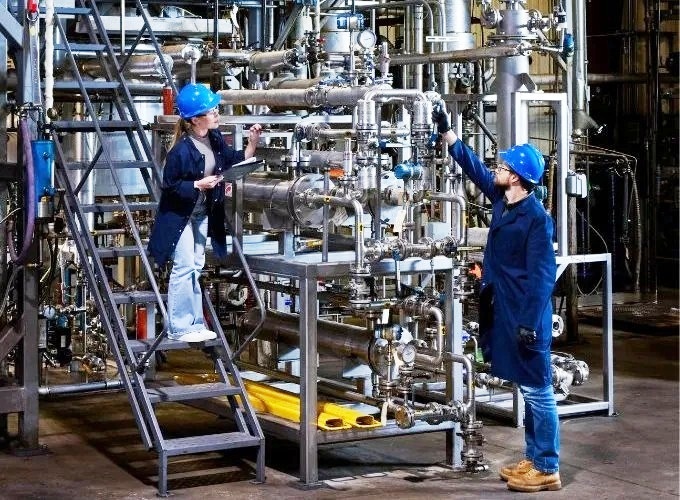
This spread, produced by the company called Savor, will, we are told, help address the problems caused by raising huge herds of dairy cattle, which increase methane emissions in our atmosphere. And, as a closer, the startup based in San Jose, California, has refitted an outdated industrial plant in Batavia, Illinois, as its pilot production facility and is sourcing its energy sustainably. All very appealing.
This also has the funding and approval of Bill Gates, an “éminence grise” in the kingdom of Silicon Valley. Bill Gates provides a welcome intellectual cachet to the conversation about sustainability. He invests in seed banks, and he certainly was not in the tech-bro presidential inaugural photo op of January 2025. So there is that.
He has long advocated technofarming as a way to resolve global hunger and reduce the damage created by late-20th-century farming methods. And the creation of Savor butter could be the vanguard of other dairy simulations. At this point, Savor is working with food conglomerates in the US to introduce it commercially.
But I Have Questions
I survived a childhood in which margarine was a frequent substitute for butter, both in baking and on toast. I had cousins who actually preferred Cool Whip, and its savory cousin, Miracle Whip, to whipped cream and mayonnaise. I still have not recovered from buying something labeled “cheese food.” The transition to these products, except for baking margarine, in our family was not successful. Savor butter is not being offered at retail yet, and I have seen nothing from the EU. But I am looking at this with a somewhat jaundiced eye.
What happened when farmers started renting patented seeds from a company that promised better yields, freedom from pesky infestations, along with patented herbicides and fertilizers that only the company’s seeds responded to? Numerous documentaries, third-party testimonials, and journalism websites have given us the obvious unhappy answer.
Savor butter, and also its version of palm oil, will be privately owned patents. The consumer will be at the 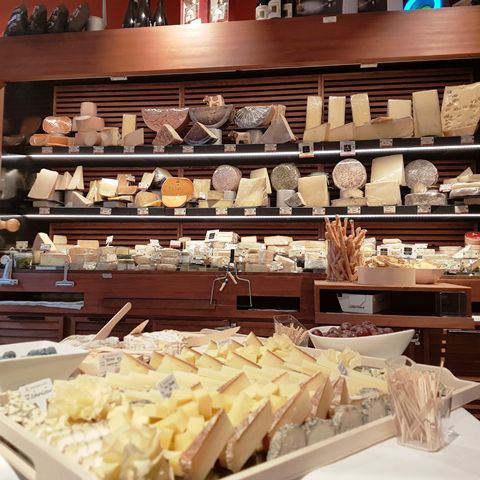 mercy of privately owned patented food. Traditional butter and other dairy products like cheese and yogurt are produced by somewhat decentralized farming systems. While intensive farming can burn through our natural resources, if done sustainably, even when the supply is less (some estimates run around 20% less), it can also regenerate the soil, create beneficial ecosystems, and provide families and communities with income, local food sources, and wonderful varieties of texture and taste—think cheese in France.
Savor’s backers (and they have ample funds to spend on politicians and friendly legislation) have successfully threaded their way around federal and third-party testing. In the US, we use the acronym GRAS for “generally regarded as safe” in food safety. A company can do its own scientific testing on an additive or a process to meet the GRAS standard. The FDA has very lax oversight of companies using the GRAS methodology. Savor has run its own safety tests, but there has been no third-party testing before marketing the product. Savor is already featured in products from a California chocolate maker and a bakery.
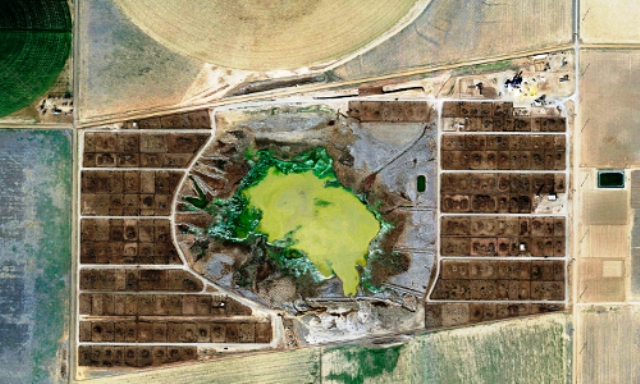 While making a very generalized criticism of the carbon footprint of cattle raising, they ignore the fact that it is really the CAFO system that has created a massive problem, so massive that you can see it in satellite imagery. I would like to make my own observation as the spouse of a dedicated beef eater. I have noticed at US meat counters over the years that less and less is offered in beef, lamb, and pork. Steaks, ribs, prime cuts, and the ever-present hamburger mince are always displayed, but pot roast and stew cuts, liver, kidney, tripe, and shanks have gradually disappeared. We do not use the whole animal, only the premium parts. There is more to a meal than a patty of beef. A cheeseburger apparently is Bill Gates’s favorite meal, but there are so many other ways to enjoy this protein.
But while the pilot manufacturing facility in Batavia currently boasts of using renewable energy, what happens if production is ramped up and an area’s power grid is used? Visions of town-hall confrontations over data-center energy use come to mind. Don’t forget that Savor is planning to increase production of palm oil and other substitutes for seed oils. Court cases show that industrial plants, particularly in the US, do not have a great track record of sustainability.
Remembering Olestra
And finally, back to my childhood, when margarine was viewed medically as a healthier alternative to butter, until scientific studies later revealed that it contained trans fats that were harmful to humans. There exists no independent scientific study of how this chemically created “fat” will affect the human body. And if we are told to view artificially derived sugar or fat as a safe alternative for health concerns, we tend to consume more of it. I remember drinking loads of Tab, the diet version of Coke, until I had a weird reaction and my GP instructed me to stop. We actually do not have a very good track record with food substitutes and long-term health effects. Human beings are, at the very least, a byproduct of Mother Nature, and she does not like to be fooled.
Comments & Reviews