You Are What You Dare to Watch
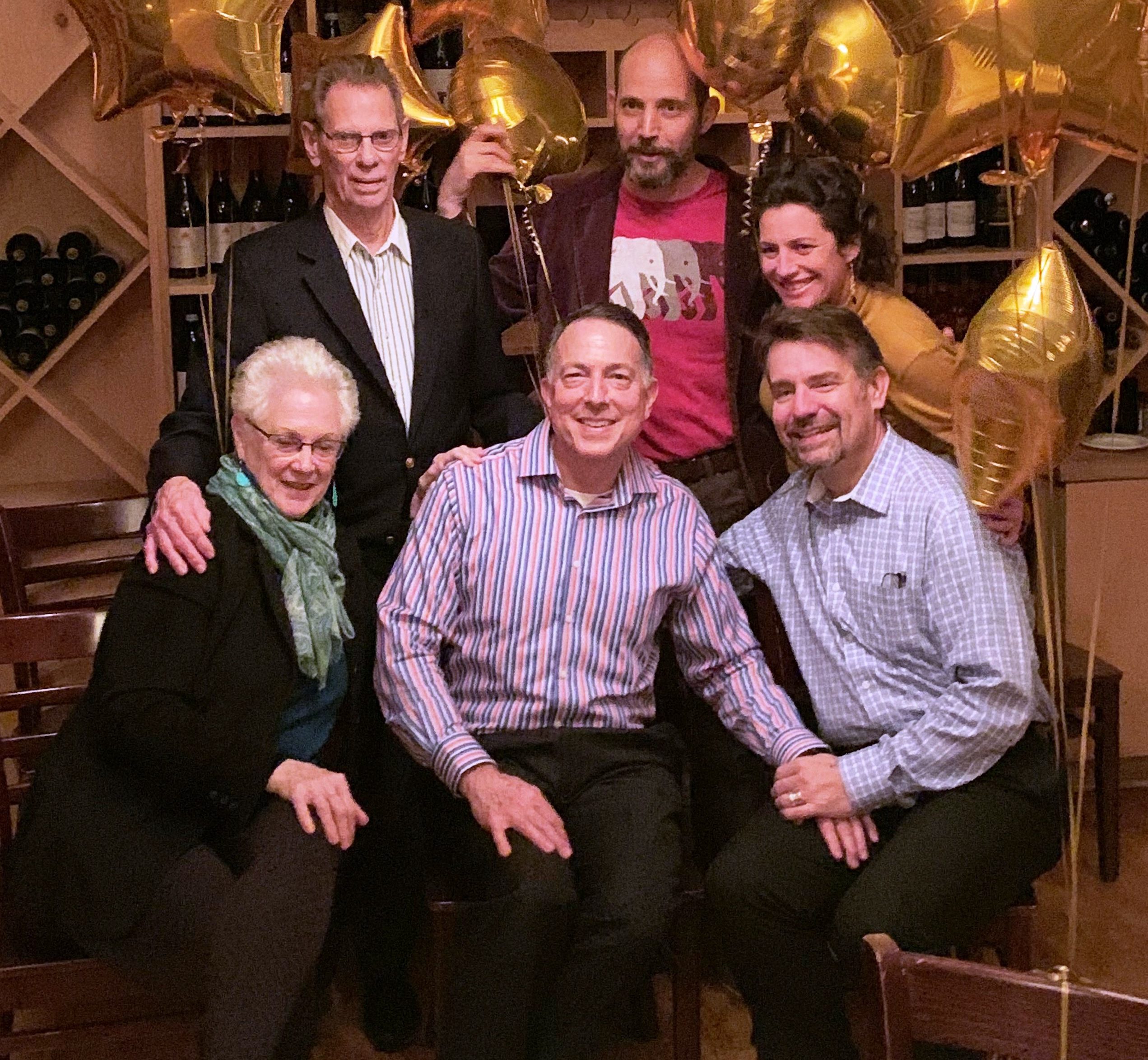
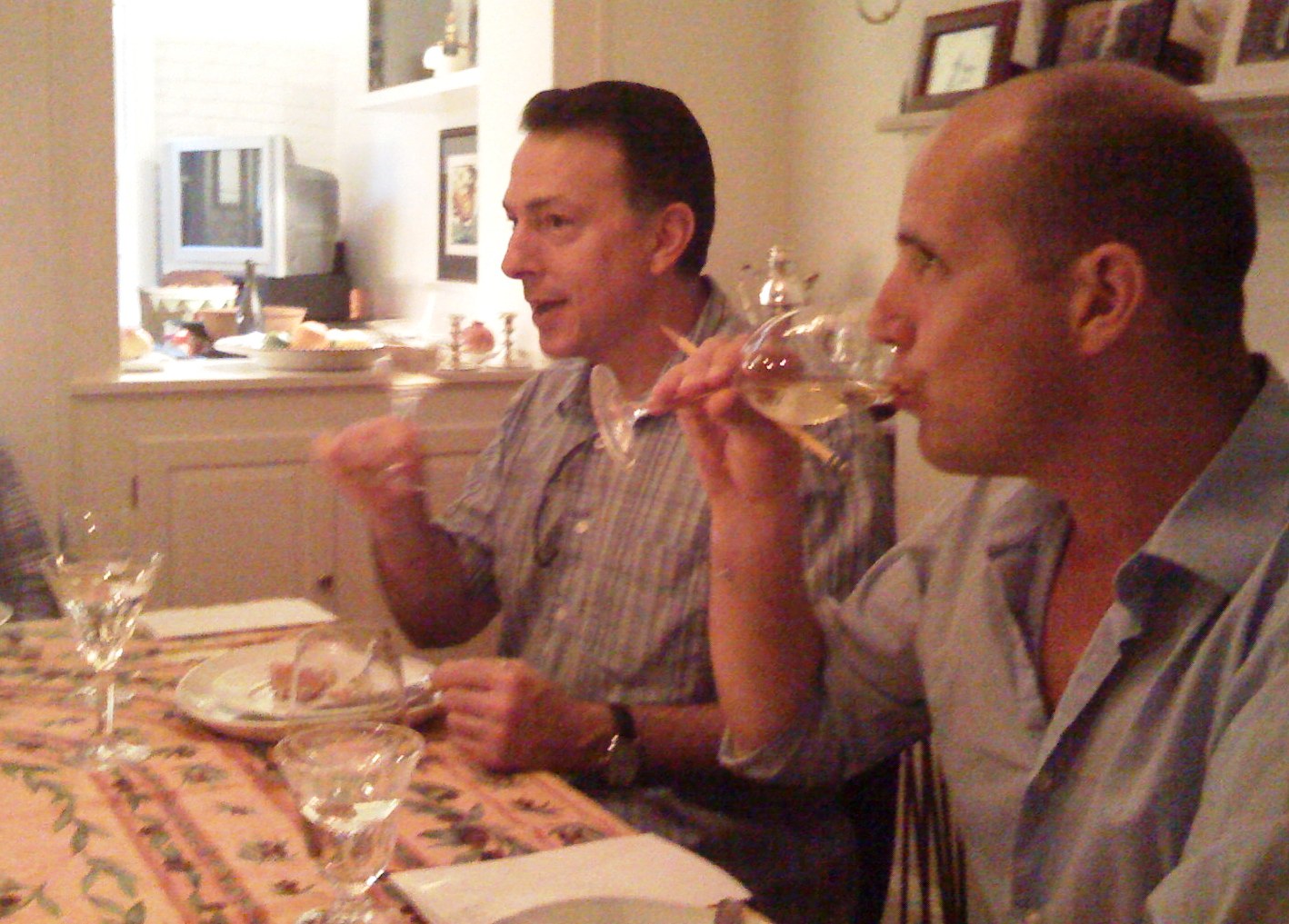 This film was chosen by one of our Soirée du Film members, or SDF as we like to call it. The group formed as three couples from very different backgrounds who shared a love of film along with a good meal. Almost every month, one couple picks a film and prepares dinner. Each couple has a radically different cooking style as well as varied tastes in films. Over the years, we have experimented with keeping scores (yes, even friendly film-watching can be competitive), and one member of SDF occasionally made posters for the films or video clips of the year. Another has faithfully kept a tally of all the films we have watched, along with scores when we kept them. We all had friends who wanted to join, but six is the perfect number for dinner and even for film. Scheduling for three couples is about all we can handle. And when we have had more than six, the conversation around the table splits up. With six, it is a real conversation among all the participants. It is just as the very wise M.F.K. Fisher advised about the size of the perfect dinner party.
We did this together for fifteen years, and it only ended with the COVID quarantine that dragged on for almost a year between 2020 and 2021. During that time, we saw some remarkable films along with some real dogs. We watched horrifying and life-reaffirming stories, but also sad, funny, and kinky ones, as well as some that were compelling simply because of their unusual artistic outlook and ability to transfer that vision onto the screen. In keeping with the quiet gray period of March, KD has an almost cult documentary to suggest until spring really arrives and you are inspired to seek out your local markets specializing in sustainable food. The documentary is called Our Daily Bread.
The Process of Your Daily Meal
An Austrian filmmaker, Nikolaus Geyrhalter, is not a household name among food-focused audiences in the U.S. or in the celebrity sphere with the likes of Michael Pollan, Mark Bittman, or Alice Waters. 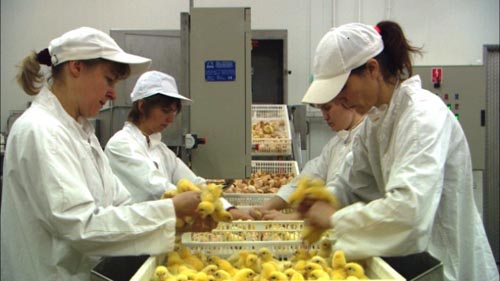 But if you go to his website, you will see that he and his colleagues have produced incisive films about how we live on this planet in the 21st century. Hopefully these films will be viewed by generations to come. The introduction to his films on the Icarus Films website says it best.
“Nikolaus Geyrhalter is one of world cinema’s most renowned and celebrated documentary filmmakers. Famous for his unmistakable style which draws on calm, carefully framed wide shots with an eye for geometric compositions, his films eschew commentary or music to create visually striking accounts of places at the margins of our perception while, at the same time, cataloging social phenomena and periods of upheaval in a cinematically epic fashion.”
“Geyrhalter’s static-camera, well-paced observational films tackle their subjects head-on. Whether it’s exploring the terrain of post-disaster Chernobyl (Pripyat), reflecting on a post-human world (Homo Sapiens), or investigating modern-day food production (Our Daily Bread), Geyrhalter’s films are nothing short of startling works of art.”
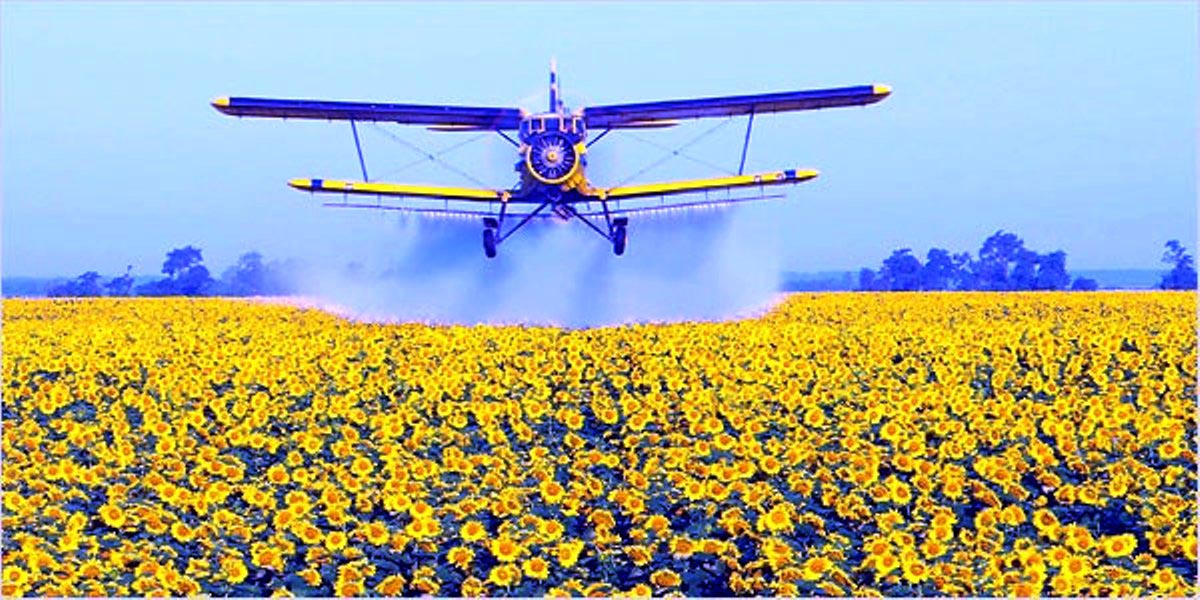
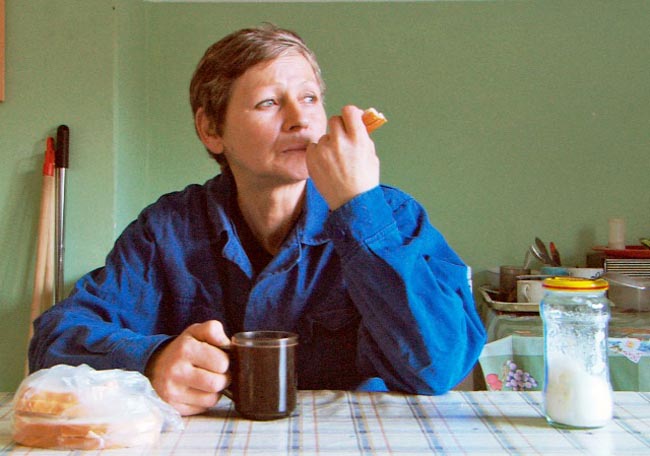
Our Daily Bread, his slowly engrossing film with static images of EU-approved food practices in industrial farming and the workers who perform them, is strung together without pomp and circumstance. There is no voice-over, no food pundit interviews, and no throbbing orchestral highs and lows. Just the visual facts. This is not a documentary of the horrors that are prevalent in U.S. CAFOs or chicken concentration camps, or even in the monoculture farms of Iowa. This is a film that follows what happens in the best of industrial farming circumstances to deliver what Europeans pick up in grocery stores on a daily basis. I doubt that he would ever be allowed to film in industrial food mills and slaughterhouses here. Here, food producers are innocent until you can find them guilty, which is difficult since they often write the rules.
So in Geyrhalter’s film, you dare to watch what you consume. This is not a bad idea. We should all be aware of how our food is produced, even in more enviable circumstances. This is not about the disgusting process that spits out chicken nuggets. It is a film, however, that may prod you to be more supportive of local farmers’ markets, the smaller selection available in grocery stores, butchers, and other purveyors of sustainably grown food.

Comments & Reviews